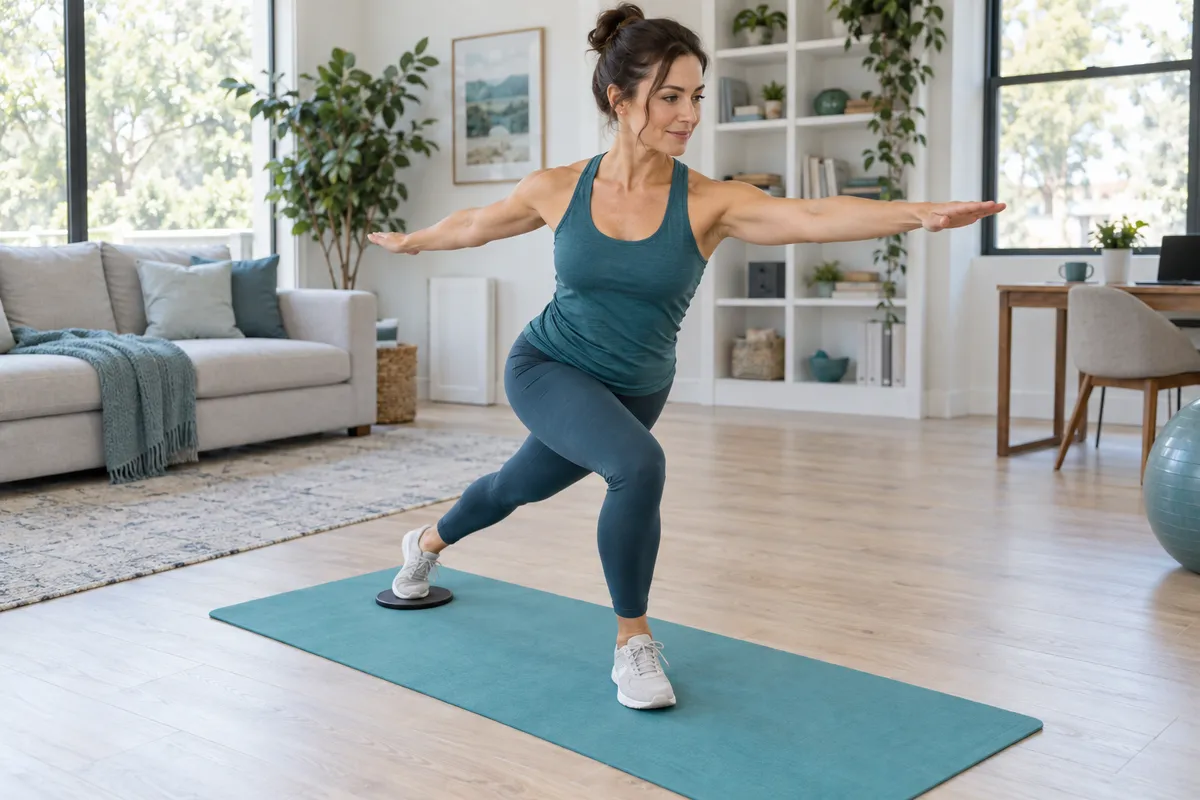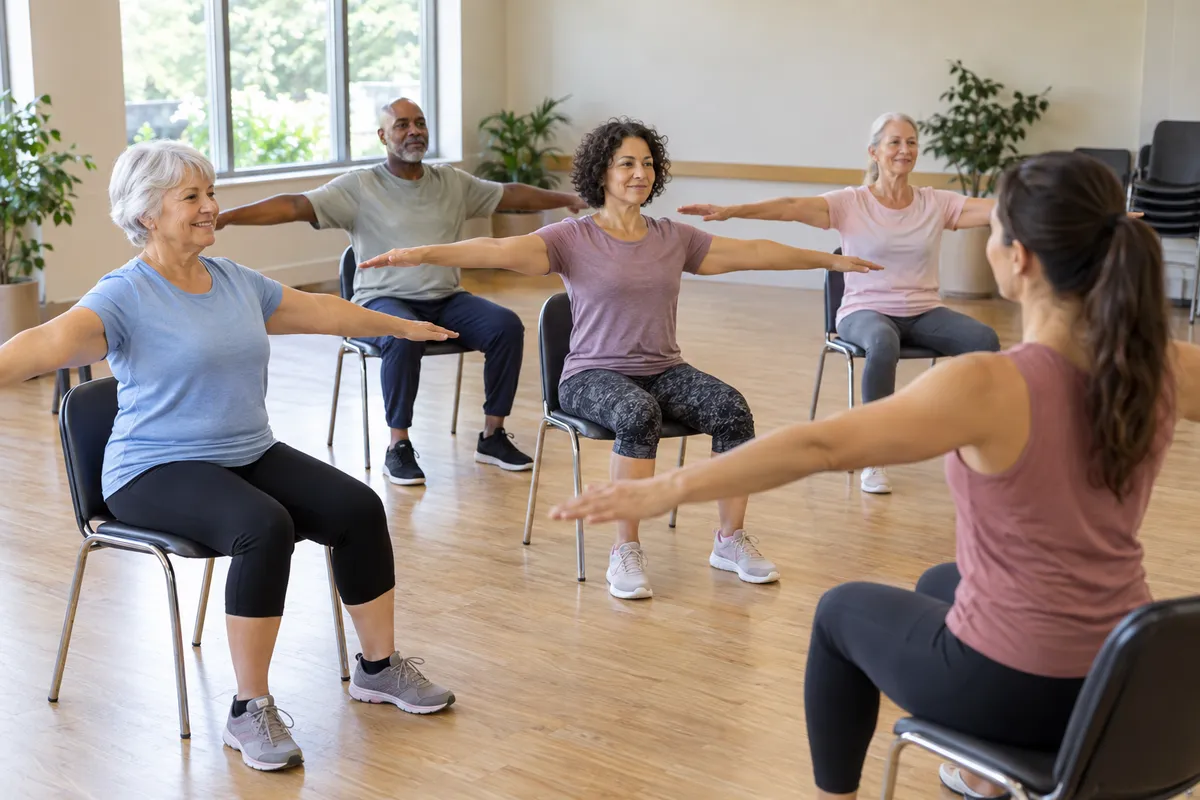
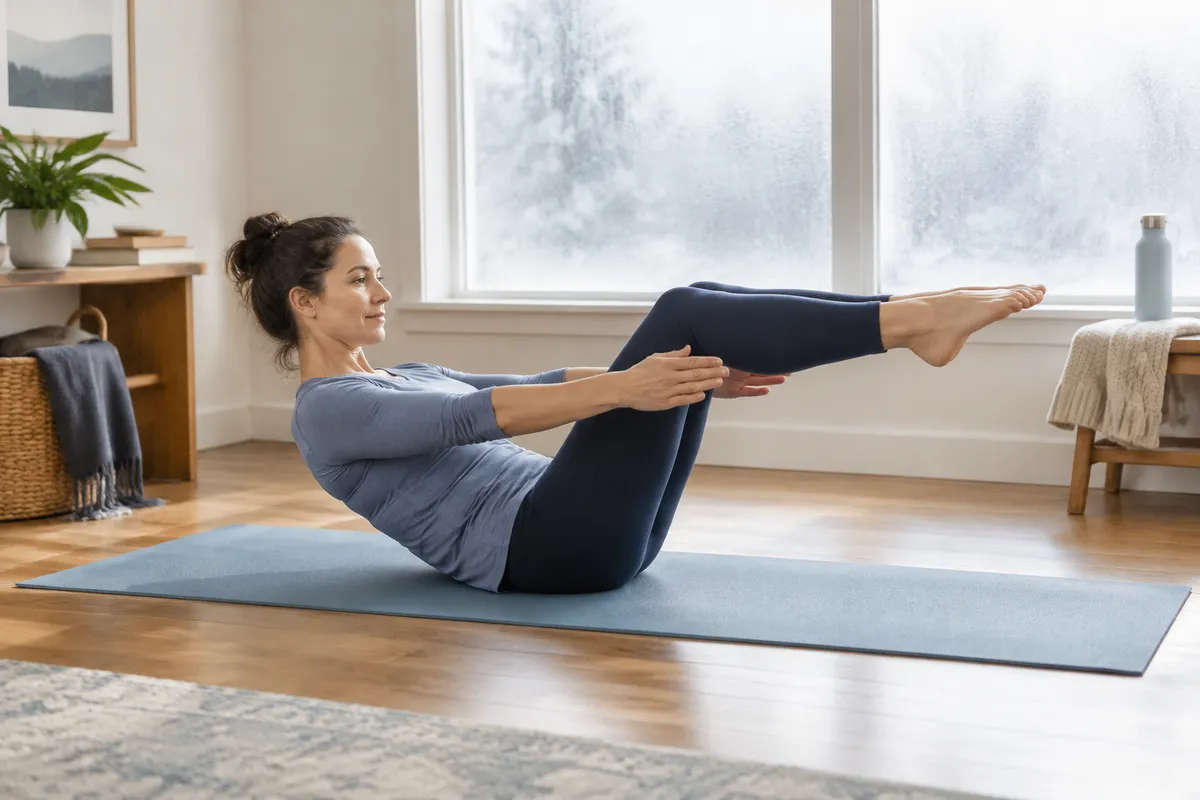
As the weather cools and workouts move indoors, you don't need a gym full of equipment or a high-impact routine to train your core. Pilates is built for exactly that, and this guide will show you how to approach a simple core session at home and what to look for if you try a studio class.
The prompt for this piece: Michael Samuels of JETSET Pilates joined CBS News Chicago's Fitness Friday to demonstrate core-strengthening Pilates moves and highlight the studio's approach to low-impact fitness, per CBS News. The segment's details beyond that aren't something I can reproduce here, so what follows is a practical framework for building your own routine, not a move-by-move transcript of what aired.
Why Low-Impact Core Work Makes Sense Indoors
When it's cold, the temptation is to skip training or to cram in something intense just to feel productive. Low-impact work sits in a smart middle ground. You stay active without pounding your joints, and you can do it in a small space, in socks, with a mat.
Core training also pairs well with the season for a simple reason: it asks for attention, not equipment. That makes it an easy habit to keep going when motivation dips.
What "Core" Actually Means
Most people hear "core" and picture abs. In Pilates thinking, the core is broader: the muscles around your trunk that support your spine and pelvis. When you train it, you're practicing control, not chasing a burn in one spot.
That shift in mindset changes how you move. Slow and precise beats fast and sloppy every time.
A Simple Way to Build Your Own Core Session
You can structure a short routine without needing to memorize a long list of exercises. Try this format:
- Set up (1 minute). Lie on your back on a mat, knees bent, feet flat. Breathe in through your nose, out through your mouth, and notice your ribs and belly moving.
- Pick two or three basic moves. Choose beginner-friendly core exercises, such as controlled leg lifts, a gentle curl-up, or a plank variation on your knees. Keep each one slow.
- Work in small sets. Aim for a handful of controlled repetitions per move, stopping before your form falls apart.
- Finish with a stretch. Hug your knees to your chest or rest in child's pose for a few breaths.
The numbers here are my suggestions, not figures from the segment. Adjust them to how your body feels.
Form Cues That Matter More Than Reps
Breathe on purpose
Holding your breath is the most common way to make core work feel harder and less effective. Exhale on the effort, inhale as you reset.
Keep your neck relaxed
If your neck aches during a curl-up, you're likely pulling with your head. Look slightly toward your knees and lift from your trunk instead.
Stop at the edge of control
If your back arches or your movements get jerky, shorten the range or take a break. Smaller, cleaner movements still count.
What to Expect From a Studio Class
If you'd like guidance, a studio like JETSET Pilates offers a low-impact setting where an instructor can watch your form. I can't describe the specifics of JETSET's classes beyond what CBS News reported, so it's worth checking the studio directly for class formats, levels, and what to bring. A few questions worth asking before you book:
- Is there a beginner-friendly class?
- Is the class mat-based, equipment-based, or both?
- Can the instructor modify moves if you have an injury or limitation?
If you have a back issue, are pregnant, or are recovering from an injury, check with your healthcare provider before starting a new exercise routine.
Make It Stick Without Making It Big
Consistency is where core strength is built. A short session you actually do beats an ambitious one you skip. Pair it with something you already do, like right after brushing your teeth or before your morning coffee, and let the habit grow from there.
There's a mindfulness bonus too. Because Pilates asks you to focus on breath and precision, even a brief session can double as a reset for a busy head.
Your Next Step
Tonight, put a mat on the floor, set a timer for five minutes, and do two slow core moves with full attention on your breath. Do it again tomorrow. That's the whole plan.