
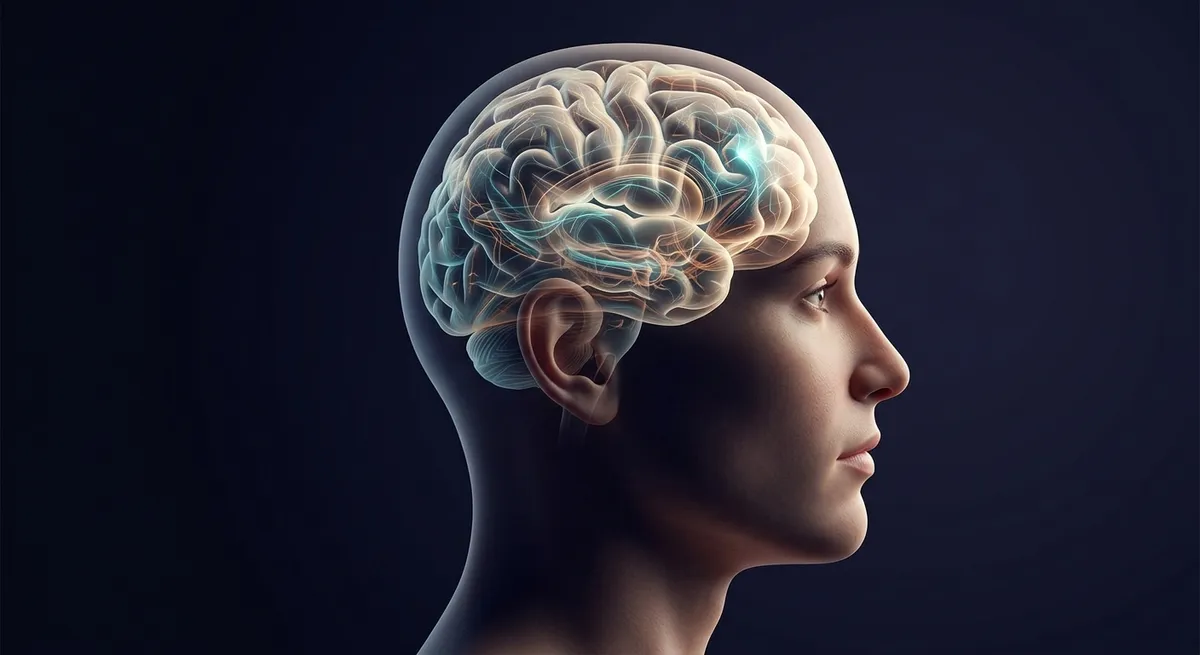
Have you ever heard that you only use 10% of your brain? This widely accepted myth has been around for decades, giving the impression that most of our brain is unused. However, modern neuroscience has revealed a more complex truth about how our consciousness and unconsciousness interact, debunking this myth and offering insights into our cognitive processes.
Understanding the Brain: More Than 10%
The idea that we only utilize a fraction of our brain is more of a misconception than a scientific fact. The brain is an incredibly intricate organ that is involved in numerous processes at all times, many of which occur subconsciously. Research shows that a vast majority of our brain activity occurs below the level of conscious awareness, meaning that rather than being inactive, our brain is consistently processing information and influencing our behaviors, decisions, and emotions unconsciously.
The Role of the Unconscious Mind
Neuroscience is shedding light on the interplay between our conscious thoughts and unconscious processes. Freud's theories about the unconscious mind have gained renewed attention as contemporary research validates his assertions. The unconscious mind operates continuously, handling various tasks like memory retrieval, emotional responses, and even decision-making without our conscious recognition. This interaction is crucial for understanding human cognition and behavior.
The Free Energy Principle
One emerging framework in neuroscience is the Free Energy Principle, which posits that our brains are fundamentally driven to minimize uncertainty. Essentially, our brains strive to predict and interpret external stimuli while regaining a sense of predictability. When faced with uncertainty, our brain expends energy, suggesting that the body prefers the path of least resistance. This principle not only explains our need to categorize experiences but also reinforces the deep connection between unconscious processing and conscious thought.
Understanding this principle highlights how our minds function much like a predictive machine – always working to reduce the gap between expectations and reality, often without us even realizing it.
Subliminal Influences on Decision-Making
Another fascinating area of study is how subliminal stimuli affect our choices. Research indicates that external cues—like hidden faces or sounds—can sway our behavior without us being aware of their influence. These unconscious triggers subtly alter our decisions, demonstrating the profound impact of our non-conscious mind on daily actions.
System 1 vs. System 2 Thinking
Further exploring our cognitive functions, Daniel Kahneman’s concept of System 1 (fast, intuitive) and System 2 (slow, deliberate) thinking illustrates how much of our thinking is automatic and unconsciously driven. System 1 thinking allows us to navigate through life with ease, relying on heuristics and learned behaviors. Meanwhile, System 2 thinking engages when we require deeper analysis and contemplation. Understanding this duality can help you recognize how often you rely on your unconscious mind in everyday situations.
Implications for Personal Development
Recognizing the role of both conscious and unconscious processes can significantly impact your personal growth and mental health. Many of our habits, fears, and even emotional responses stem from unconscious memories and experiences, particularly those from childhood. Gaining insights into how these influences shape your behavior can enhance self-awareness and facilitate healthier decision-making.
Conclusion: Embrace a Deeper Understanding
In summary, the '10% brain' myth oversimplifies the vast and complex functions of our brain, especially the dynamic interplay between conscious and unconscious processes. By debunking this myth and embracing this richer understanding of consciousness, you can enhance your awareness, improve decision-making, and even support your mental health journey. Instead of fearing the unknown, explore the depths of your unconscious mind—there’s far more at play than meets the eye.