
In a time when approximately 11% of Americans are turning to GLP-1 medications for weight loss, anxiety surrounding body image is at an all-time high. The pervasive images of rapid weight loss and celebrity transformations saturating social media can distort our perception of self-worth and beauty. This article delves into practical strategies you can use to mitigate body image anxiety in today’s weight-loss-obsessed culture.
The Psychological Toll of GLP-1s
The rise of GLP-1s has sparked a new wave of body dissatisfaction and rumination, even among those who haven't faced weight issues before. Mental health experts warn that the normalization of these medications as "miracle" solutions can exacerbate feelings of inadequacy and prompt individuals to engage in unhealthy body-checking behaviors. This changing landscape demands immediate attention and actionable strategies to cope.
Reducing Body-Checking Behaviors
Body-checking refers to the habit of constantly evaluating one’s appearance through mirrors, selfies, or social media. To combat this urge, consider these effective strategies:
1. Limit Mirror Time
Try to reduce how often you check your reflection. Set specific times in the day when you’ll allow yourself to look in the mirror, and stick to that schedule, gradually reducing frequency over time.
2. Unfollow Triggers
Identify accounts on social media that promote unrealistic body images or enhance feelings of inadequacy. Unfollow or mute these accounts to create a healthier online space for yourself.
3. Environmental Modifications
Make small changes to your environment that encourage positive body image. This could involve rearranging furniture away from mirrors or placing inspirational quotes in visible areas to remind yourself of self-acceptance.
Reframing Movement and Fitness
Exercise should be a source of empowerment, not a means to an end in pursuit of societal beauty standards. Here’s how to shift your mindset:
1. Focus on Capability
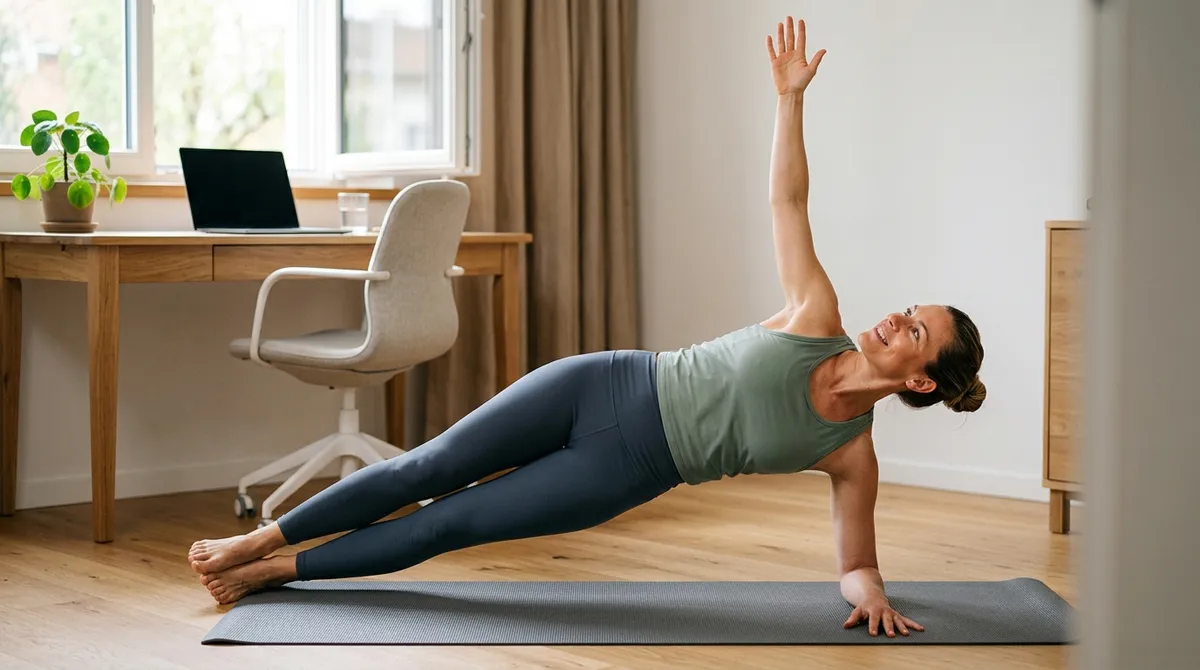
Shift from viewing exercise solely for weight loss to recognizing it as a practice to enhance strength and capability. Choose activities that you enjoy and feel accomplished doing, whether it's dancing, hiking, or yoga.
2. Celebrate Non-Appearance Achievements
Set fitness goals unrelated to weight, such as completing a certain number of push-ups or taking a long walk. By recognizing your progress beyond the scale, you reinforce a healthier relationship with your body.
Addressing Emotional Roots of Body Image Struggles
The journey to a healthy body image often uncovers deeper emotional issues. It’s crucial to recognize the underlying factors that may be driving negative self-perception:
1. Explore Control Issues
Many individuals struggling with body image may be attempting to exert control over factors in their lives. Seek guidance from a mental health professional who can help tackle these emotions effectively.
2. Connect with Supportive Communities
Find groups or forums that focus on body positivity and self-worth, allowing you to share experiences and find encouragement. Surrounding yourself with supportive voices can make a significant difference.
The Myth of Thinness Equals Happiness
As alluring as celebrity transformations may seem, the truth is that thinness does not equate to happiness. Studies indicate that happiness stems from various components such as strong relationships and personal fulfillment rather than solely physical appearance. Recognizing this disparity can significantly impact how you perceive your body and self-worth.
By implementing these practical strategies, you can foster a healthier relationship with your body in a world that increasingly glorifies rapid weight loss and thinness. Prioritize your emotional well-being by reframing your perception of health and beauty, limiting negative influences, and building self-worth based on who you are rather than how you look. Remember, beauty is diverse, and your self-worth is not defined by the scale.