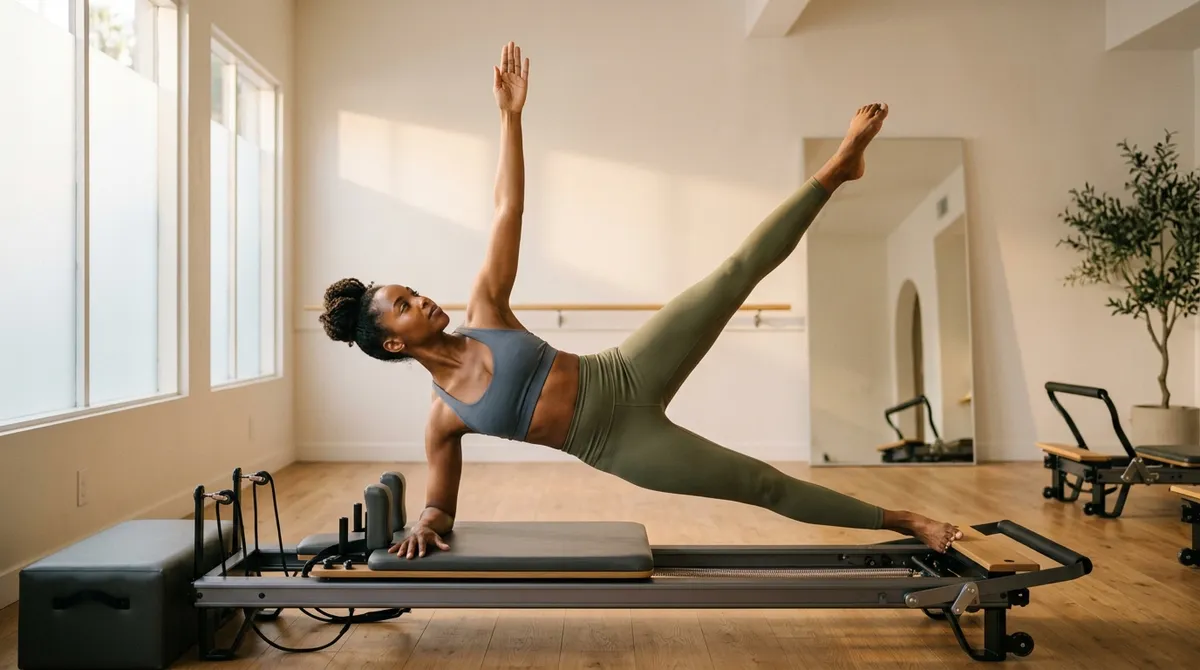
Pilates has emerged as a popular choice for those seeking a balanced approach to fitness, especially among celebrities and fitness enthusiasts. Unlike high-intensity workouts, Pilates focuses on controlled movements that target core engagement, offering a low-impact yet effective alternative. If you’re curious about how this practice improves strength, flexibility, and balance, you're in for a treat!
How Pilates Builds Functional Strength
Pilates emphasizes core strength, which is crucial for overall functional strength in daily activities. By engaging deep muscles that support the spine, Pilates enhances overall mobility and stability. Typical exercises, such as the Plank or Footwork, require you to stabilize your body while moving, thereby building strength progressively.
The Biomechanics Behind It
The effectiveness of Pilates lies in its unique approach that combines breathing with intentional movement. For example, during the Hundred exercise, you're encouraged to lift your head and shoulders while pumping your arms up and down. This not only strengthens the core but also engages the entire body, leading to improved muscle coordination and strength.
Enhancing Flexibility Through Controlled Movements
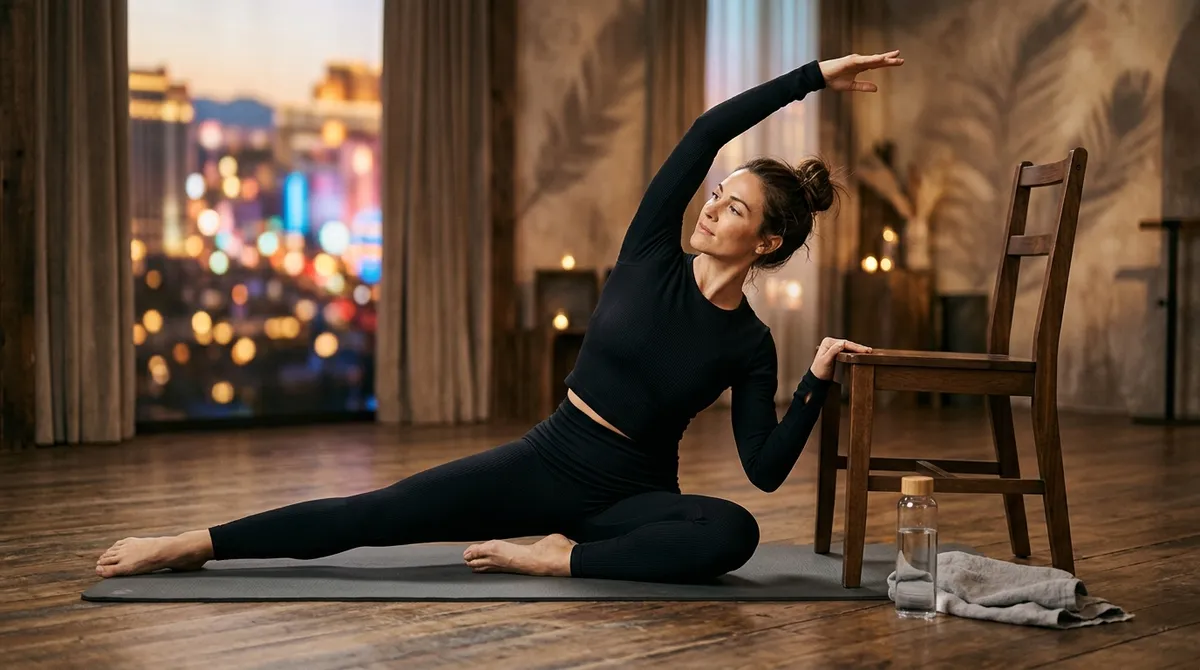
Pilates places a strong emphasis on elongation and stretching, which directly contributes to improved flexibility. Each movement is designed to lengthen the muscles rather than bulk them up, making it ideal for those who want to increase their range of motion.
Key Exercises for Flexibility
Some standout exercises include the Saw and the Spine Stretch Forward, which work to gently stretch the hamstrings and back muscles. Regular practice of these movements can lead to noticeable improvements in your flexibility, helping you move with greater ease and reducing the risk of injury.
Achieving Balance with Core Engagement
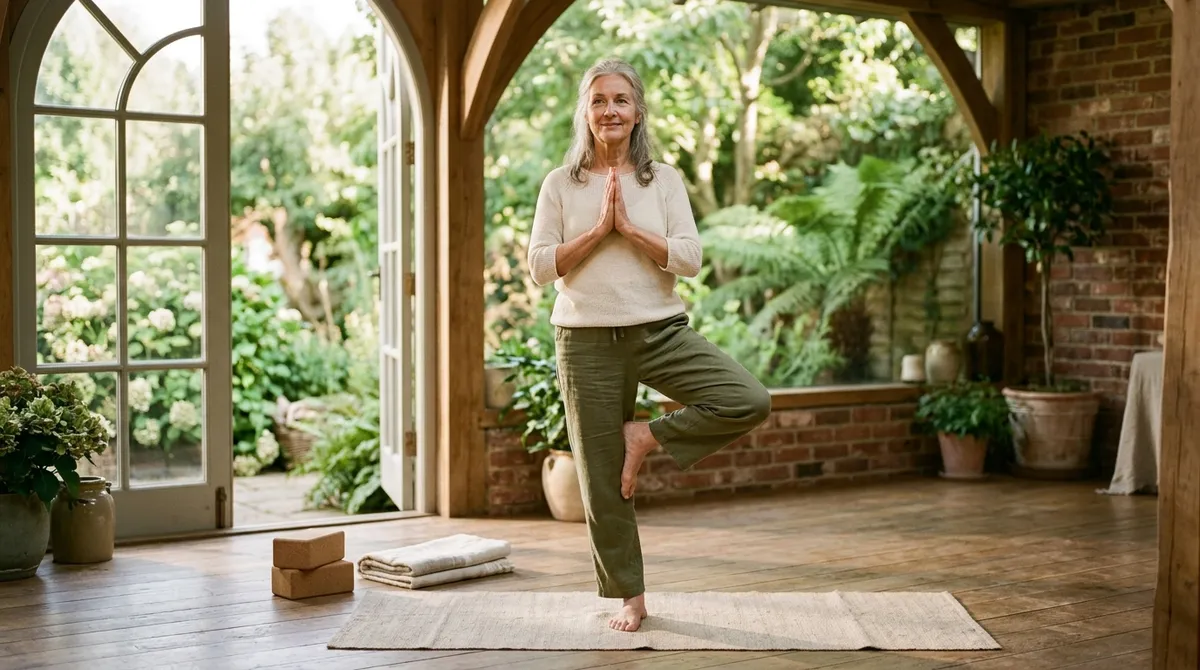
Balance is another crucial aspect that Pilates addresses through its progressive exercises. By focusing on core engagement, Pilates promotes stability, which is essential not just in workouts but throughout everyday life.
Building Balance Step-by-Step
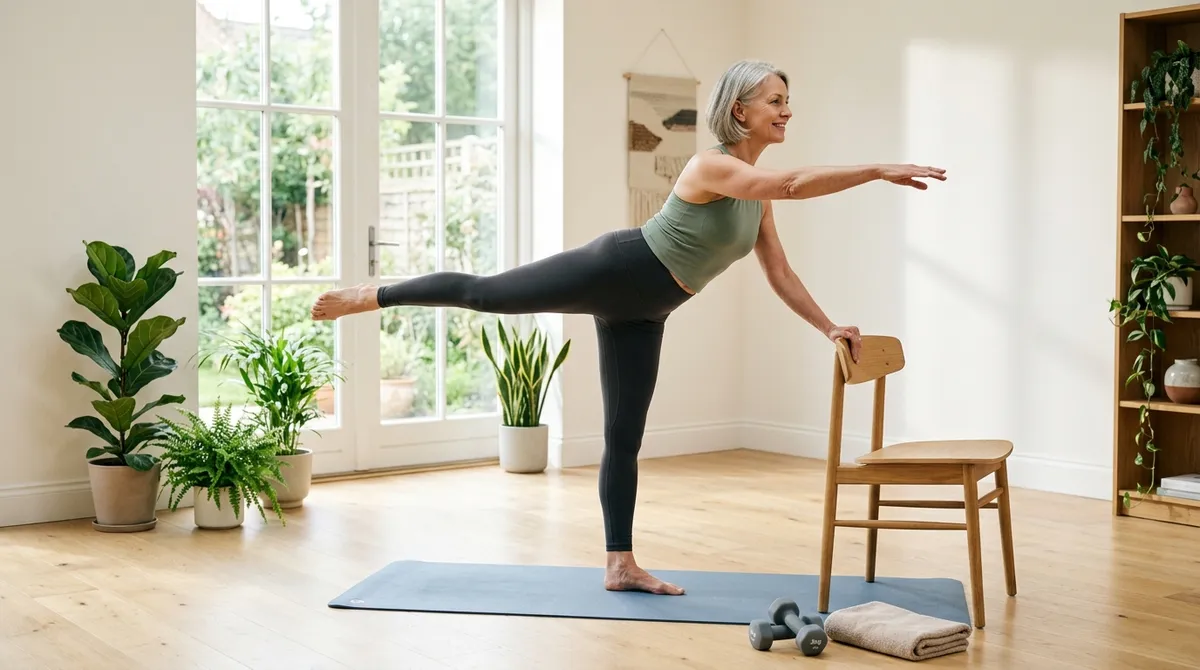
Exercises like the Single Leg Circle or Teaser challenge your stability as you engage your core muscles. As you regularly practice these movements, you develop factors of balance that translate to improved posture and reduced risk of falls, making it particularly valuable as we age.
Why Choose Pilates? The Sustainability Factor
One of the great advantages of Pilates is its sustainability. Unlike high-impact alternatives, the practice can be continued throughout your life without putting undue stress on your joints. It emphasizes quality over quantity, ensuring that even short workout sessions yield visible improvements.
The Popularity Surge
Pilates' resurgence in popularity is not just a fitness fad; it's an essential component of modern fitness routines. With its effective means of fostering strength, flexibility, and balance, it has captured the attention of many looking for low-impact, safe, and enjoyable workouts.
Final Thoughts: Start Your Pilates Journey
If you're looking to enhance your strength, flexibility, and balance holistically, Pilates could be the answer. By engaging in this method consistently, you’ll not only witness improvements in your physical capabilities but also contribute positively to your overall wellness. Consider joining a local class or following online sessions to experience the benefits firsthand. Remember, with patience and practice, Pilates can genuinely transform your fitness journey!