
Exploring proactive health measures is crucial in today's wellness-focused society. Among these measures, dietary supplements often promise various health benefits, including the potential to reduce cancer risk. However, understanding their actual effectiveness requires a deep dive into scientific research and expert opinions.
The Role of Supplements in Cancer Prevention
Dietary supplements, including vitamins and minerals, are widely consumed with the hope of improving overall health. Some individuals believe that these supplements can lower their risk of developing cancer. The most common supplements associated with cancer prevention include vitamins D and E, selenium, and omega-3 fatty acids. However, the scientific community is still debating their efficacy.
Current Research and Findings
Several studies have explored the relationship between supplements and cancer risk. While some research suggests a potential benefit, the evidence remains inconsistent. For instance, vitamin D has been linked to a reduced risk of colorectal cancer in some studies, yet other research has not supported this finding conclusively. Similarly, while omega-3 fatty acids are lauded for their anti-inflammatory properties, their impact on cancer prevention is not definitively established.
Potential Risks and Considerations
It's important to note that excessive intake of certain supplements can pose health risks. For example, high doses of beta-carotene have been associated with an increased risk of lung cancer in smokers. Moreover, the balance between nutrients is delicate, and over-supplementation can lead to toxicity and adverse health outcomes.
Expert Opinions on Supplement Use
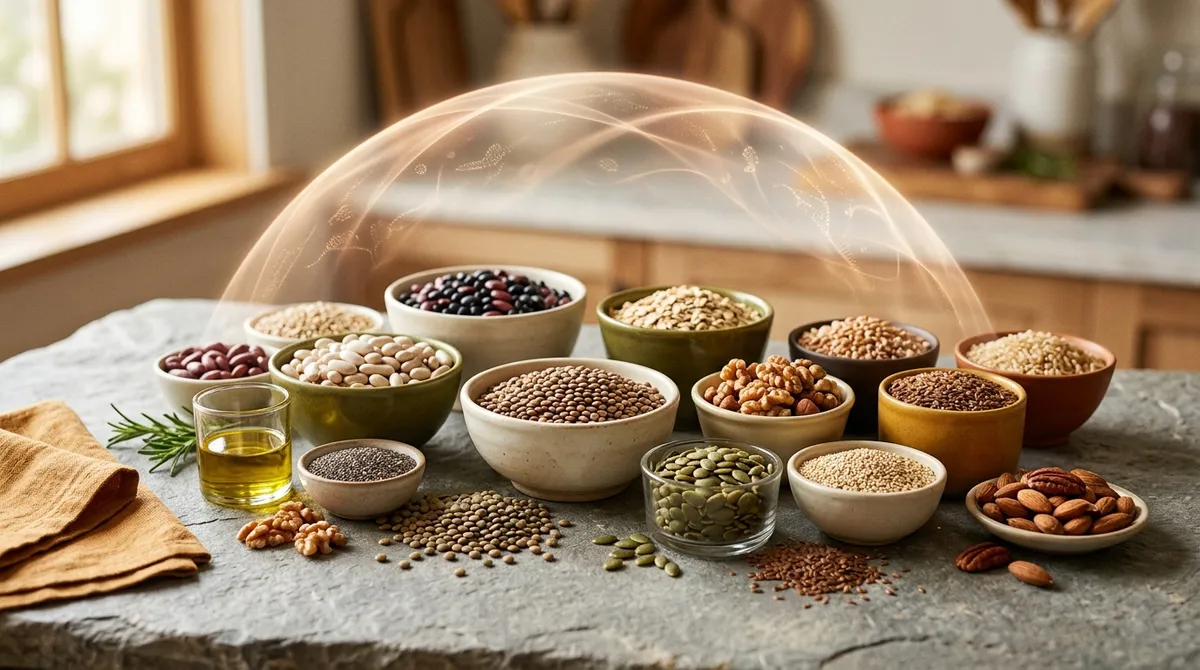
Healthcare professionals generally advocate for obtaining nutrients from a balanced diet rather than relying solely on supplements. Whole foods provide a complex matrix of nutrients and beneficial compounds that are often missing from supplements. Experts emphasize that while supplements can fill nutritional gaps, they should not replace a healthy diet rich in fruits, vegetables, and whole grains.
Guidelines for Safe Supplement Use
For those considering supplements, it is crucial to consult with healthcare providers to tailor choices based on individual health needs. This personalized approach helps prevent unnecessary intake and potential interactions with medications. Additionally, choosing high-quality supplements from reputable sources is essential to ensure safety and efficacy.
Conclusion: A Balanced Approach to Health
While the allure of supplements as a simple solution to complex health issues like cancer is strong, it is crucial to approach their use with caution. The best strategy involves a combination of a nutritious diet, regular physical activity, and informed supplement use when necessary. Ultimately, maintaining a healthy lifestyle remains the cornerstone of cancer prevention.