From Anti-Nutrient to Gut Protector
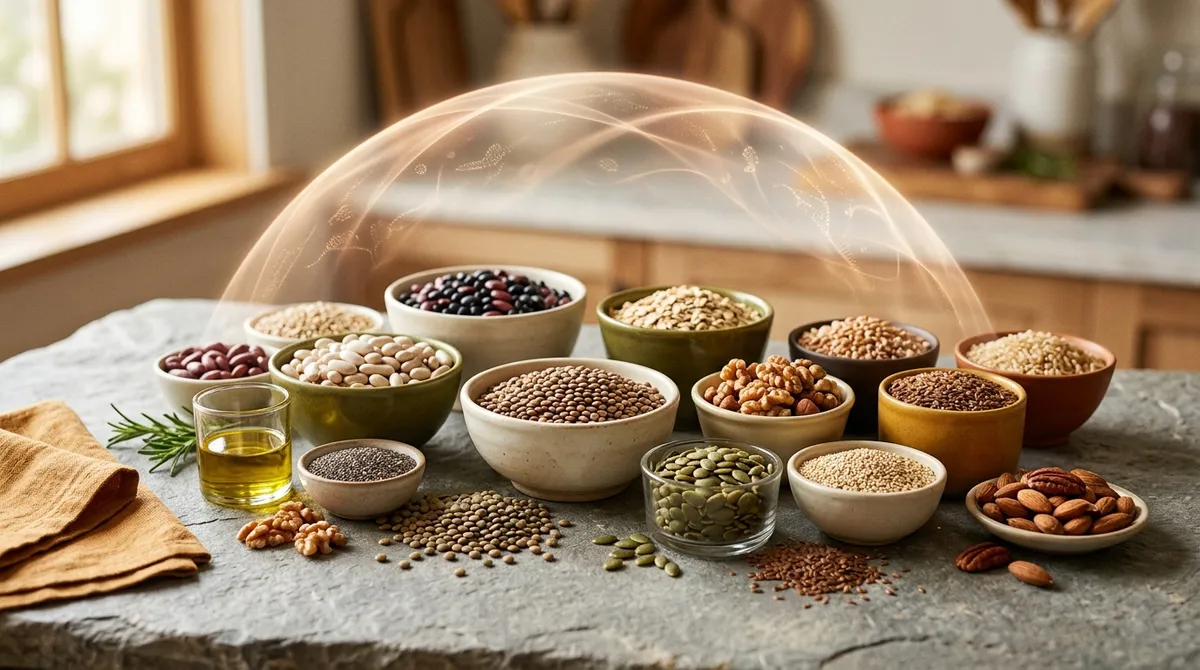
A compound found naturally in plant-based foods may hold unexpected benefits for digestive health, according to new preclinical research that's challenging long-held nutritional assumptions. Phytic acid, present in beans, lentils, nuts, seeds, and whole grains, appears to strengthen the intestinal barrier and may help prevent "leaky gut," researchers report.
Published in Nature Communications, the study reveals that phytic acid activates a protein called HDAC3 that supports intestinal barrier function. This finding reframes a compound that has long been dismissed in nutrition circles as an "anti-nutrient" due to its ability to bind minerals and potentially reduce their absorption.
Understanding the Gut Barrier Connection
The intestinal barrier serves as a crucial defense system, controlling what passes from the digestive tract into the bloodstream. When this barrier becomes compromised—a condition commonly referred to as "leaky gut"—it may contribute to inflammation and various health issues.
According to reports, the research demonstrates how phytic acid works at the molecular level to support this protective barrier. By activating the HDAC3 protein, the compound appears to maintain the integrity of intestinal walls, potentially offering protection against increased intestinal permeability.
This mechanism suggests that foods commonly rich in phytic acid—including legumes, nuts, seeds, and whole grains—may provide benefits beyond their established nutritional profiles of fiber, protein, and various vitamins and minerals.
Implications for Plant-Based Nutrition
The findings arrive at a time when both gut health and plant-based diets have gained significant attention in wellness communities. This research offers a science-backed perspective on the multifunctional nature of plant foods, suggesting that compounds previously viewed as problematic may actually serve protective roles.
However, the study's preclinical nature means important limitations remain. The research was conducted in laboratory settings using animal models, and human trials are still needed to confirm whether these protective effects translate to real-world dietary practices.
The Gap Between Research and Real-World Application
While the results are promising, experts note that simply increasing consumption of phytic acid-rich foods may not replicate the therapeutic effects observed in the study. According to reports, future treatments targeting gut barrier function may require more targeted approaches, potentially including specialized supplements designed to deliver therapeutic doses.
This distinction is crucial for health-conscious consumers who might be tempted to dramatically increase their intake of beans, nuts, and whole grains based on these findings alone. The research provides valuable insights into mechanisms of gut health, but practical dietary recommendations should await further human studies.
Challenging Nutritional Narratives
The research highlights the complexity of nutritional science and challenges oversimplified narratives about "good" and "bad" compounds in food. Phytic acid's dual nature—as both a mineral-binding compound and a potential gut protector—demonstrates why context matters in nutrition.
This nuanced view aligns with growing recognition among nutrition professionals that individual compounds in food don't act in isolation. The overall dietary pattern, preparation methods, and individual health status all influence how nutrients and bioactive compounds affect the body.
Future Research Directions
The study suggests potential therapeutic applications for conditions like inflammatory bowel disease, though researchers emphasize that human trials are necessary before clinical applications can be developed. The gap between preclinical findings and proven treatments represents a crucial phase where rigorous testing must occur.
As gut health continues to gain attention in both medical and wellness communities, this research contributes to a more sophisticated understanding of how plant compounds influence digestive function. The findings may eventually inform both dietary recommendations and targeted therapeutic approaches for gut-related conditions.
The Bigger Picture
For now, the research reinforces the value of diverse, plant-rich diets while highlighting the intricate relationships between food compounds and health. As scientists continue exploring these mechanisms, the story of phytic acid serves as a reminder that nutritional science continues evolving, often revealing unexpected benefits in familiar foods.