Plastic is woven into modern life, from food packaging to kitchen tools, cosmetics, toys and furniture. That convenience comes with a hidden concern: some plastic-related chemicals can migrate into food, air, dust and skin-contact products. You do not need to eliminate every plastic item at home. However, small daily changes can lower exposure to substances linked with hormone disruption, inflammation and other potential health risks.
Why plastic chemical exposure matters
Plastic products are rarely made from one material alone. Manufacturers often add chemicals to make items flexible, clear, waterproof, stain-resistant, heat-tolerant or durable. These additives can include bisphenols, phthalates, flame retardants, PFAS and other compounds used in coatings, packaging or consumer goods.
Some of these substances are known as endocrine-disrupting chemicals. That means they may interfere with hormones that guide growth, metabolism, fertility, immune function and brain development. Scientists are still studying how low-level, long-term exposure affects people. Yet many public health experts recommend practical reduction, especially for pregnant people, infants and children.
The goal is not fear. It is smarter risk management. Plastic chemicals are common, but they are not impossible to avoid. The biggest opportunities often sit in the kitchen, bathroom and cleaning routine.
Start with food contact plastics
Food is one of the main pathways for plastic chemical exposure. Heat, fat, acidity and time can encourage chemicals to move from packaging into food. This is why warm takeout containers, microwave meals and oily foods stored in plastic deserve extra attention.
A useful first step is to avoid heating food in plastic. Transfer leftovers to a ceramic, glass or stainless steel container before microwaving. Do the same with ready-to-eat meals when possible. Even containers labeled microwave-safe may not mean chemical-free. That label usually refers to whether the container holds up during heating, not whether nothing migrates into food.
Dishwashers can also wear down plastic. High heat and strong detergents may cause containers to scratch, cloud or degrade. If you keep plastic food containers, wash them by hand and replace items that look damaged. Scratched plastic has more surface area and may shed tiny particles more easily.
Choose safer storage and drinking options
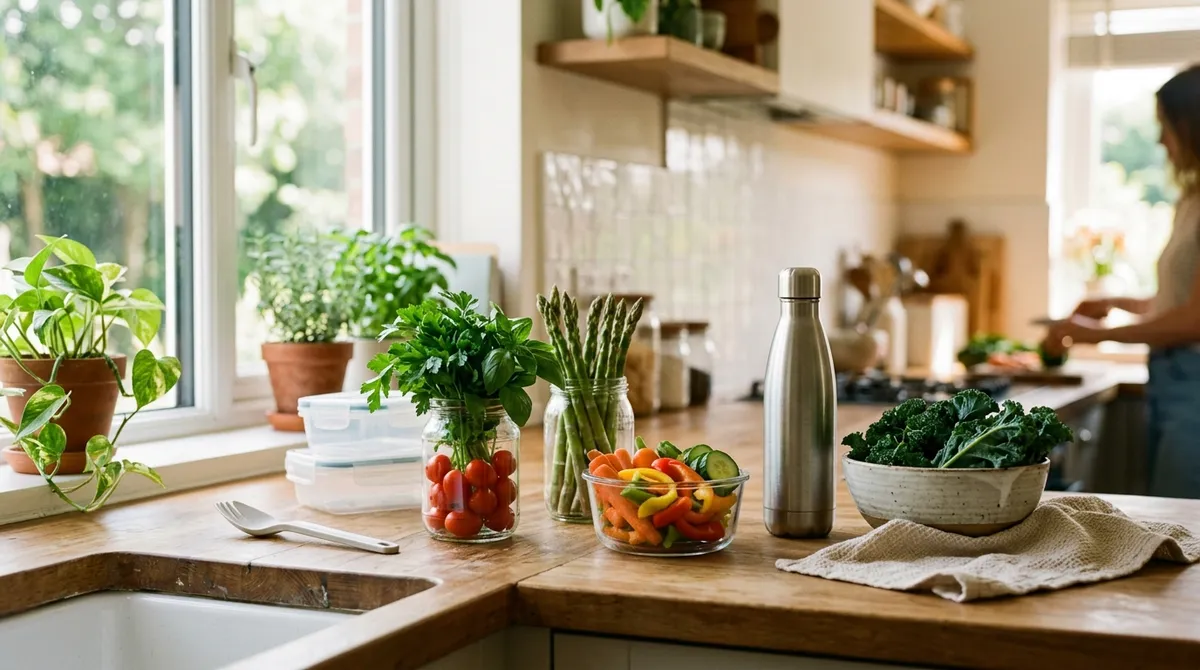
Glass containers are useful for leftovers, batch cooking and pantry storage. Stainless steel is another durable option for lunch boxes, water bottles and food jars. These materials are not always convenient for every situation, but using them for hot, fatty or acidic foods can make a meaningful difference.
For drinking water, consider switching from disposable plastic bottles to a reusable stainless steel or glass bottle. Bottled water can be helpful during emergencies, travel or unsafe tap water conditions. For daily use, a refillable bottle usually creates less waste and reduces contact with plastic packaging.
If your tap water has taste or safety concerns, a certified filter may help. Look for filters tested for the contaminants relevant in your area. Local water quality reports can guide that decision. Replace filters on schedule, since old filters may become less effective.
Be selective with packaged and canned foods
Ultra-processed and heavily packaged foods can increase contact with food packaging chemicals. This does not mean every packaged item is harmful. It means balance matters. Choosing more fresh, frozen or minimally packaged foods can reduce repeated exposure.
Canned foods may contain liners made with bisphenols or similar compounds, though many brands have changed their materials. When possible, vary your choices. Use dried beans sometimes instead of canned beans. Choose foods in glass jars when they fit your budget. Rinse canned foods such as beans or vegetables to remove some residue and sodium.
Takeout presents another common source of exposure. Hot food often sits in plastic, foam or coated paper containers. When you get home, move it to a plate or glass dish. If you order frequently, ask restaurants whether they offer paper, aluminum or reusable container options.
Pay attention to plastic in the kitchen
Cutting boards, spatulas, ladles and nonstick utensils can shed particles as they wear. Plastic cutting boards are easy to clean, but deep grooves can hold food debris and break down over time. Replace boards with heavy cuts, and consider wood or bamboo boards for some tasks.
Black plastic utensils have drawn concern because some may contain recycled materials with unwanted flame-retardant chemicals. Research in this area is evolving, and not every black plastic item carries the same risk. Still, stainless steel, silicone from reputable brands, wood and bamboo are simple alternatives for many cooking jobs.
Nonstick cookware can also involve chemical coatings. Use low or medium heat, avoid overheating empty pans and discard pans with flaking or scratched surfaces. Cast iron, stainless steel and carbon steel can be long-lasting replacements if you want to reduce reliance on coated cookware.
Reduce dust, another hidden exposure route
Household dust can collect chemicals from flooring, electronics, furniture, textiles and plastic goods. Children are especially vulnerable because they crawl, play on floors and put hands in their mouths. Better dust control can lower exposure without major expense.
Use a damp microfiber cloth instead of dry dusting, which can push particles into the air. Vacuum with a HEPA filter if possible. Wet mop hard floors regularly, especially in areas where children play. Wash hands before meals and after handling receipts, cleaning products or dusty items.
Ventilation also helps. Open windows when outdoor air quality allows. Use kitchen exhaust fans while cooking. If you renovate, paint or bring in new furniture, increase airflow for several days to reduce indoor chemical buildup.
Look beyond the kitchen: personal care and household products
Phthalates can appear in fragrances and some personal care products. They may not always be listed clearly on labels. Choosing fragrance-free products can reduce exposure from lotions, shampoos, deodorants, detergents and air fresheners. Fragrance-free is different from unscented, which may still contain masking fragrances.
Simplifying your routine can also help. You do not need a cabinet full of specialized products. Mild soap, a basic moisturizer and simple cleaning supplies often do the job. For household cleaning, avoid mixing chemicals and use products as directed. Good ventilation matters during cleaning, even with products marketed as natural.
Receipts are another small but frequent source. Some thermal paper can contain bisphenols. You can decline receipts when possible, choose digital receipts or wash hands after handling them. Avoid storing receipts loose in grocery bags with food.
Protect children without chasing perfection
Babies and young children may face higher risk from certain chemicals because their bodies are developing rapidly. Parents can focus on changes with the biggest payoff. Use glass or stainless steel for warm foods and drinks. Avoid microwaving plastic baby bottles or containers. Choose toys from trusted manufacturers and discard items that are sticky, cracked or strongly scented.
For infants, follow safe feeding guidance from your pediatrician. If using bottles, inspect nipples and plastic parts often. Replace worn pieces. For older children, teach handwashing before meals and after floor play. These steps are simple, realistic and protective.
How to make changes without overspending
Reducing plastic chemical exposure does not require replacing everything at once. Start where heat meets plastic. Then address the items you use daily. A single glass container can replace dozens of reheated plastic meals over time. A stainless steel water bottle can reduce daily contact with disposable bottles.
Prioritize changes for pregnant people, children and anyone who relies heavily on packaged foods. Thrift stores often carry glass jars, ceramic dishes and stainless steel cookware. Reusing clean pasta sauce jars for dry goods is another low-cost option. The best approach is gradual, affordable and sustainable.
The bottom line
Plastic is useful, but it should not be treated as harmless in every setting. Heat, worn surfaces, food packaging, dust and fragranced products can all contribute to chemical exposure. By choosing glass or stainless steel for hot foods, limiting unnecessary packaging, cleaning dust and simplifying personal care products, you can lower risk in everyday life. Progress matters more than perfection, and small habits can add up quickly.