
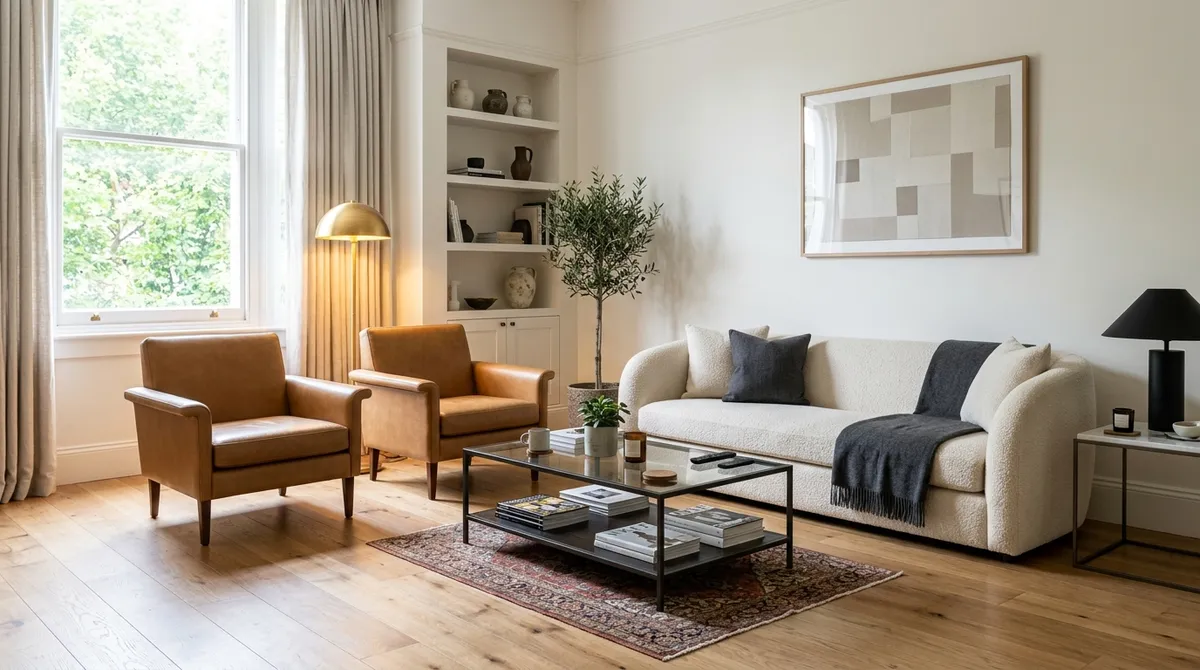
When Good Homes Go Wrong: Professional Insights
As homeowners increasingly invest in creating polished, welcoming spaces, according to reports, even small design missteps can undermine the overall aesthetic. Home design professionals have identified seven key elements that can make even a stylish home feel unwelcoming or visually problematic.
These design pitfalls serve as a practical checklist for anyone looking to create a more inviting and professionally-finished living space.
The Seven Design Red Flags
Poor Lighting Choices
According to design professionals, inadequate or poorly planned lighting ranks among the top issues that can instantly diminish a home's appeal. This fundamental element affects how every other design choice appears and how comfortable the space feels for daily living.
Cluttered Surfaces Throughout the Home
Cluttered surfaces represent another major concern that professionals consistently notice. This issue can make even the most thoughtfully decorated spaces appear chaotic and less refined than intended.
Incorrectly Sized Area Rugs
The wrong rug size can throw off an entire room's proportions and flow. This seemingly simple element plays a crucial role in defining spaces and creating visual harmony within a room's layout.
Awkward Furniture Arrangements
Furniture placement that doesn't facilitate natural conversation or movement patterns can make spaces feel uncomfortable and poorly planned, regardless of the quality of individual pieces.
Technology and Entry Points
Visible Cords and Tech Clutter
In our increasingly connected homes, visible technology infrastructure and cord management issues create visual noise that detracts from otherwise polished spaces. This modern challenge requires intentional planning to maintain clean aesthetics.
Neglected Entryway Areas
The entryway sets the tone for the entire home experience. According to professionals, overlooking this transitional space can immediately impact visitors' first impressions and the overall flow of the home.
Overly Staged or Impersonal Décor
While coordination is important, décor that feels too staged or lacks personal touches can make spaces feel more like showrooms than lived-in homes. This creates an unwelcoming atmosphere despite technical design correctness.
The Broader Impact on Home Investment
As people continue investing more time and resources into making their homes feel polished and professional, these insights become increasingly valuable. The identified issues tap into the ongoing demand for practical, designer-approved home improvements that deliver immediate visual impact.
The significance of these observations lies in their accessibility – most of these issues can be addressed without major renovation or significant expense, making professional-level improvements achievable for most homeowners.
Creating Your Own Home Audit
These professional insights can serve as the foundation for a comprehensive home evaluation. By systematically addressing each of these seven areas, homeowners can identify and correct issues that may be undermining their decorating efforts.
The key is approaching each element methodically, considering how lighting, organization, proportions, layout, technology integration, entry experience, and personal expression work together to create an overall impression.
Moving Forward with Professional Standards
Understanding what design professionals notice first provides valuable guidance for anyone seeking to elevate their living space. These seven elements offer a roadmap for creating homes that not only look stylish but also feel genuinely welcoming and well-considered.
By addressing these common pitfalls, homeowners can ensure their investment in creating beautiful spaces achieves the intended impact, resulting in homes that feel both professionally designed and personally meaningful.