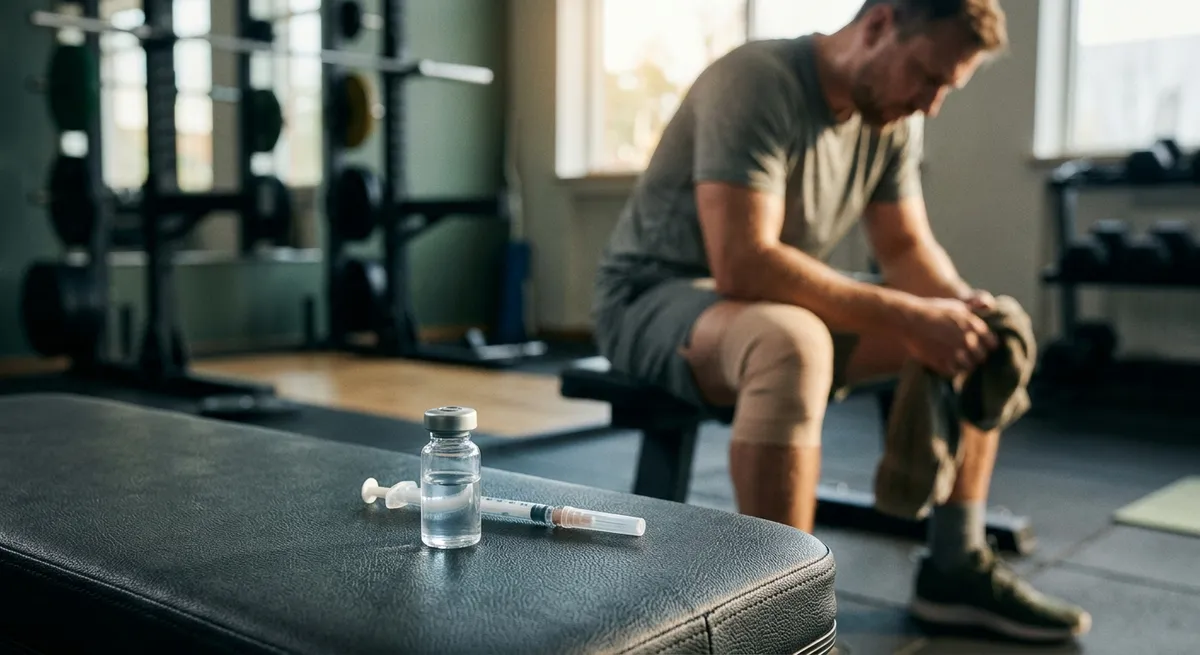

GLP-1 medicines have changed the conversation about obesity treatment, but fast weight loss raises an important question: what happens to muscle? As more people use drugs such as semaglutide and tirzepatide, physicians, dietitians and researchers are focusing on how to protect strength, mobility and long-term metabolic health during treatment.
Why muscle matters during GLP-1 weight loss
Muscle is not just about appearance or athletic performance. It helps regulate blood sugar, supports joints, protects bones and keeps people independent as they age. Skeletal muscle also plays a major role in daily energy use, even when the body is at rest.
When someone loses weight, the scale cannot show what kind of tissue was lost. Weight can come from fat, water, glycogen and lean tissue. Lean tissue includes muscle, organs and connective tissue. That distinction matters because losing too much muscle may increase weakness, fatigue and fall risk.
GLP-1 receptor agonists and related medicines reduce appetite and improve metabolic signals. Many people eat less without constant hunger. That can be life-changing for people with obesity or type 2 diabetes. Yet a lower food intake can also mean lower protein and fewer calories for muscle repair.
Do GLP-1 drugs cause muscle loss?
The better answer is more nuanced. These medications do not appear to directly damage muscle. However, meaningful weight loss usually includes some lean mass loss. That happens with dieting, bariatric surgery and lifestyle programs too.
Clinical trial data using body composition scans have shown that most weight lost on GLP-1 based therapy comes from fat. Still, a portion of total weight reduction can come from lean mass. In some studies, lean mass accounted for roughly one quarter of the weight lost, although estimates vary by population and method.
That number can sound alarming, but context helps. People with obesity often carry more absolute lean mass because larger bodies need more tissue to move. As body weight decreases, some reduction in lean mass is expected. The key question is whether someone keeps enough muscle strength and function.
Researchers are paying close attention to older adults, people who start treatment with low muscle reserves and patients who lose weight very rapidly. These groups may face a higher risk of sarcopenia, a condition marked by low muscle mass and reduced physical performance.
Muscle mass and muscle strength are not the same
A body composition scan can estimate lean tissue, but it cannot fully measure how well muscles work. Strength, balance, walking speed and endurance tell a different part of the story. Someone may lose some lean mass yet feel more energetic because joint pain improves and movement becomes easier.
For that reason, health professionals increasingly look beyond the bathroom scale. Waist size, blood pressure, glucose control, grip strength and physical activity all provide useful signals. A smaller body with better function can be a major health gain.
At the same time, unexplained weakness should not be ignored. If stair climbing becomes harder, workouts feel impossible or daily tasks become tiring, patients should talk with their clinician. Medication dose, nutrition and exercise plans may need adjustment.
Protein becomes more important, not less
Appetite suppression can make meals smaller, so every bite should count. Protein is especially important because the body needs amino acids to maintain and rebuild muscle. Many experts encourage people on weight-loss medications to include protein at each meal.
Good options include Greek yogurt, eggs, fish, poultry, tofu, beans, lentils, cottage cheese and lean meats. Protein shakes can help people who struggle with nausea or early fullness. However, whole foods also provide fiber, minerals and other nutrients.
Protein needs vary by body size, age, kidney health and activity level. Older adults and people actively losing weight may need more than the standard minimum. Anyone with kidney disease should get personalized advice before increasing protein intake.
Resistance training is the best muscle insurance
Exercise is often discussed for calorie burning, but that misses the main point. Strength training tells the body to keep muscle during weight loss. It also improves insulin sensitivity, bone density and balance.
People do not need to train like competitive athletes. Two to three sessions per week can make a difference. Effective choices include weight machines, dumbbells, resistance bands, body-weight squats, wall pushups and step-ups.
The goal is progressive challenge. Muscles need a reason to adapt. Over time, a person can add repetitions, increase resistance or choose harder movements. Consistency matters more than intensity at the start.
Cardio still matters too. Walking, cycling, swimming and other aerobic activities support heart health and stamina. Combined with resistance training, they create a stronger foundation for long-term weight maintenance.
Who should be extra careful?
Some patients should take extra steps before and during GLP-1 treatment. This includes adults over 65, people with a history of frailty, those recovering from illness and anyone who has lost weight repeatedly through severe dieting.
People who already eat very little may also need support. Nausea, constipation and food aversions can reduce intake further. Dietitians can help build simple meal patterns that meet nutrient needs without causing discomfort.
Patients using these medications for diabetes should also monitor blood sugar as weight and appetite change. Medication combinations may need adjustment to reduce hypoglycemia risk, especially when insulin or sulfonylureas are involved.
The next frontier: fat loss with muscle preservation
Drug developers are now studying treatments that pair weight-loss medicines with therapies aimed at preserving or increasing muscle. Some experimental approaches target biological pathways involved in muscle growth, including myostatin and activin signaling.
The idea is appealing. A future obesity treatment might help people lose fat while protecting lean tissue more effectively. That could be especially valuable for older adults and patients at risk of frailty.
Still, early enthusiasm should be balanced with caution. Building safe muscle-preserving therapies is complicated. Researchers need to show not only changes on scans, but real improvements in strength, function and health outcomes.
What patients can do now
People taking a GLP-1 medication can take practical steps today. Start by asking the prescribing clinician about a healthy rate of weight loss. Faster is not always better, especially if it comes with poor nutrition or weakness.
Next, track habits that matter. A simple weekly checklist can include protein intake, strength workouts, daily steps, hydration and sleep. These behaviors support muscle and improve the chance of maintaining weight loss.
It is also helpful to set goals beyond pounds. Better blood sugar, lower blood pressure, improved mobility and reduced waist size are meaningful wins. So is feeling strong enough to enjoy daily life.
Conclusion
GLP-1 drugs have opened a powerful new chapter in weight management, but medication works best with a muscle-minded plan. Fat loss should not come at the expense of strength. With adequate protein, resistance training and regular medical guidance, many patients can lose weight while protecting the tissue that keeps them active and resilient.