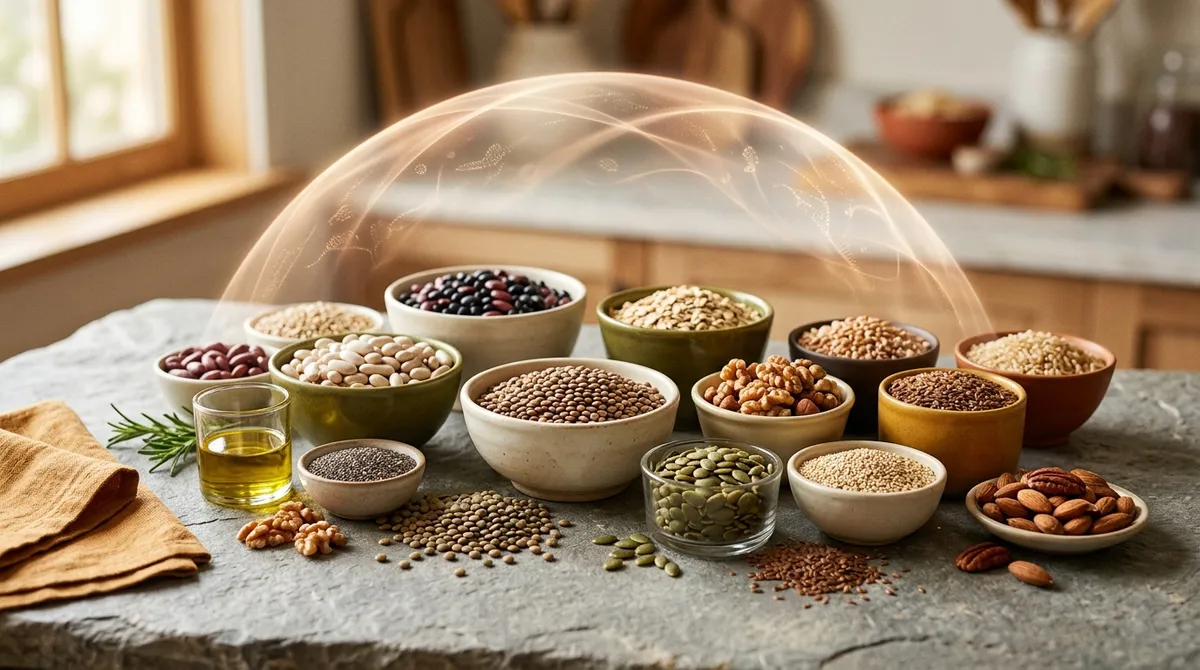

Healthy eating is profoundly linked to longevity, enhancing both the quality and duration of life. As people seek to improve their wellbeing, understanding the connection between diet and lifespan becomes crucial. This article explores the multifaceted relationship between nutrition and a longer, healthier life.
The Importance of a Balanced Diet
A balanced diet is fundamental to maintaining optimal health. It provides the necessary nutrients our bodies need to function efficiently. Incorporating a variety of fruits, vegetables, whole grains, lean proteins, and healthy fats can significantly impact overall health. These food groups supply essential vitamins, minerals, and antioxidants that support bodily functions and protect against diseases.
Fruits and Vegetables
Fruits and vegetables are rich in vitamins, minerals, and fiber. They play a vital role in reducing the risk of chronic diseases. Consuming a diverse array of colorful fruits and vegetables ensures a wide range of nutrients, which can boost immune function and promote cellular repair.
Whole Grains
Whole grains such as brown rice, oats, and whole wheat are excellent sources of complex carbohydrates and fiber. They help regulate blood sugar levels and improve digestive health. Additionally, whole grains have been linked to a reduced risk of heart disease and Type 2 diabetes.
Lean Proteins
Lean proteins, including poultry, fish, beans, and legumes, are crucial for building and repairing tissues. They provide essential amino acids and are often lower in unhealthy fats compared to red meats. Integrating lean proteins into meals can aid in maintaining a healthy weight and muscle mass.
Healthy Fats and Their Benefits
Not all fats are harmful; in fact, certain fats are beneficial for heart health. Unsaturated fats, found in avocados, nuts, seeds, and olive oil, can enhance heart function and reduce inflammation. These fats are also linked to improved cognitive function and may contribute to reduced risks of neurological diseases.
The Role of Hydration
Staying hydrated is equally important as eating nutritious food. Water aids in digestion, nutrient absorption, and temperature regulation. It also plays a role in maintaining skin health and energy levels. Ensuring adequate hydration can prevent dehydration-related health issues and support kidney function.
Moderation and Mindful Eating
While consuming healthy foods is crucial, practicing moderation is equally important. Overeating, even healthy foods, can lead to weight gain and associated health problems. Mindful eating encourages individuals to pay attention to hunger cues and savor their meals, which can lead to better portion control and enhanced digestion.
The Impact of Dietary Choices on Longevity
Research consistently shows that dietary choices have a profound impact on longevity. Diets rich in plant-based foods and low in processed foods are associated with increased lifespan. Reducing sugar, salt, and unhealthy fat intake can lower the risk of developing chronic conditions such as heart disease, obesity, and diabetes, which are major contributors to premature mortality.
Conclusion
Embracing a healthy diet is a powerful tool for promoting longevity and enhancing quality of life. By making informed dietary choices and prioritizing nutrient-dense foods, individuals can significantly improve their health outcomes. As awareness of the diet-longevity connection grows, more people can take proactive steps towards a healthier, longer life.