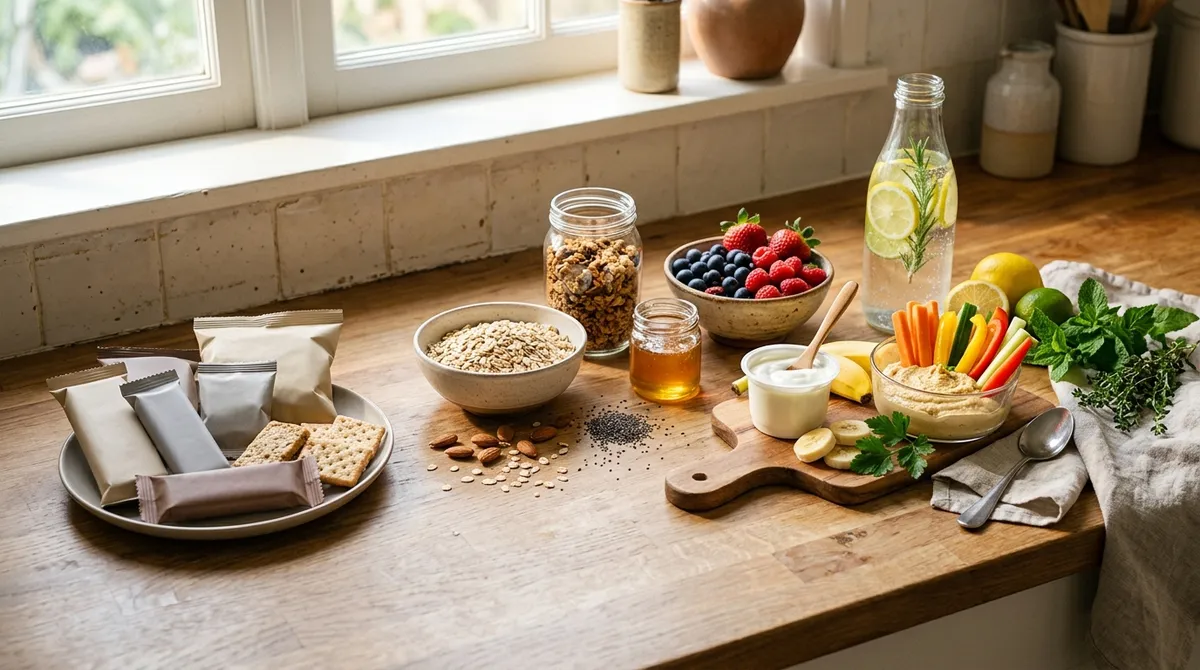

Frozen foods have become an indispensable part of many kitchens, offering convenience without compromising on quality. These products not only provide a quick meal solution but also help in reducing food waste, which is a growing global concern. By integrating frozen foods into your diet, you can enjoy a variety of nutritious meals while also being environmentally conscious.
The Benefits of Choosing Frozen Foods
Frozen foods are often underrated when compared to their fresh counterparts. However, they are packed with numerous advantages that make them a smart choice. One of the most significant benefits is the preservation of nutrients. Foods are typically frozen at their peak ripeness, ensuring that the vitamins and minerals are locked in until you are ready to consume them. This makes frozen foods not just a convenient option, but a nutritious one as well.
Another major advantage is the extended shelf life. Unlike fresh produce that may spoil quickly, frozen items can last for months, reducing the need for frequent grocery trips and minimizing food wastage. This longevity is particularly beneficial for those who live in areas where access to fresh produce may be limited or for individuals with busy lifestyles.
Economic and Environmental Impact
Embracing frozen foods can also lead to economic savings. Buying in bulk and storing foods for extended periods allows consumers to take advantage of sales and discounts. Moreover, the reduced spoilage means less money spent on replacing wasted food. This makes frozen foods a budget-friendly option for families and individuals alike.
From an environmental standpoint, frozen foods contribute to a reduction in food waste. Since these products have a longer shelf life, there is a decreased likelihood of them ending up in landfills. This not only helps reduce the environmental impact but also supports global efforts toward sustainable food consumption.
Diverse Meal Options
One of the most appealing aspects of frozen foods is the variety they offer. From vegetables and fruits to whole meals and desserts, the options are extensive. This diversity allows for creativity in meal planning and ensures that there is something for everyone, regardless of dietary preferences.
Incorporating frozen ingredients into your meals can be a simple way to experiment with new recipes and cuisines. Whether it's a quick stir-fry with frozen vegetables or a delicious fruit smoothie, the possibilities are endless. This variety ensures that meals remain interesting and enjoyable, even when time is limited.
Tips for Using Frozen Foods Effectively
To make the most out of frozen foods, it's essential to store them properly. Always ensure that your freezer is set at the right temperature to maintain the quality of the food. Additionally, organizing your freezer can help you quickly find and access items, making meal preparation more efficient.
When cooking with frozen foods, it is often recommended to follow package instructions for the best results. However, don't hesitate to get creative and customize recipes to suit your taste. Mixing fresh and frozen ingredients can also provide a balance of textures and flavors, enhancing the overall dining experience.
Conclusion
Incorporating frozen foods into your diet offers a multitude of benefits, from convenience and cost savings to nutritional value and environmental sustainability. By embracing this versatile option, you can enjoy delicious and healthy meals while contributing to a more sustainable future. So, next time you plan your meals, consider the many advantages that frozen foods bring to the table.