The Evolution of Women's Self-Care
Women's wellness conversations are undergoing a significant transformation in 2026, according to reports. The shift moves away from trend-led self-care toward evidence-informed daily routines that prioritize body literacy and practical hygiene practices. As fitness participation, skincare education, and menstrual tracking become mainstream, five key wellness rituals are emerging as foundational elements of modern self-care.
pH-Aware Intimate Hygiene Takes Center Stage
The first wellness ritual gaining traction focuses on intimate hygiene with pH awareness. This approach emphasizes understanding the body's natural balance rather than following generic cleansing routines. Women are becoming more informed about maintaining their body's natural pH levels, moving beyond marketing claims to science-based practices.
This shift reflects a broader trend toward body literacy, where women seek to understand their bodies' specific needs rather than applying one-size-fits-all solutions.
Menstrual Cycle Tracking as a Health Tool
Menstrual cycle tracking has evolved beyond fertility planning to become a comprehensive health monitoring tool. According to reports, women are using cycle awareness to understand patterns in energy, mood, and overall wellness throughout the month.
This ritual represents a move toward viewing menstrual health as integral to overall wellness, helping women make informed decisions about exercise, nutrition, and daily activities based on their natural rhythms.
Skin Barrier Maintenance as Daily Discipline
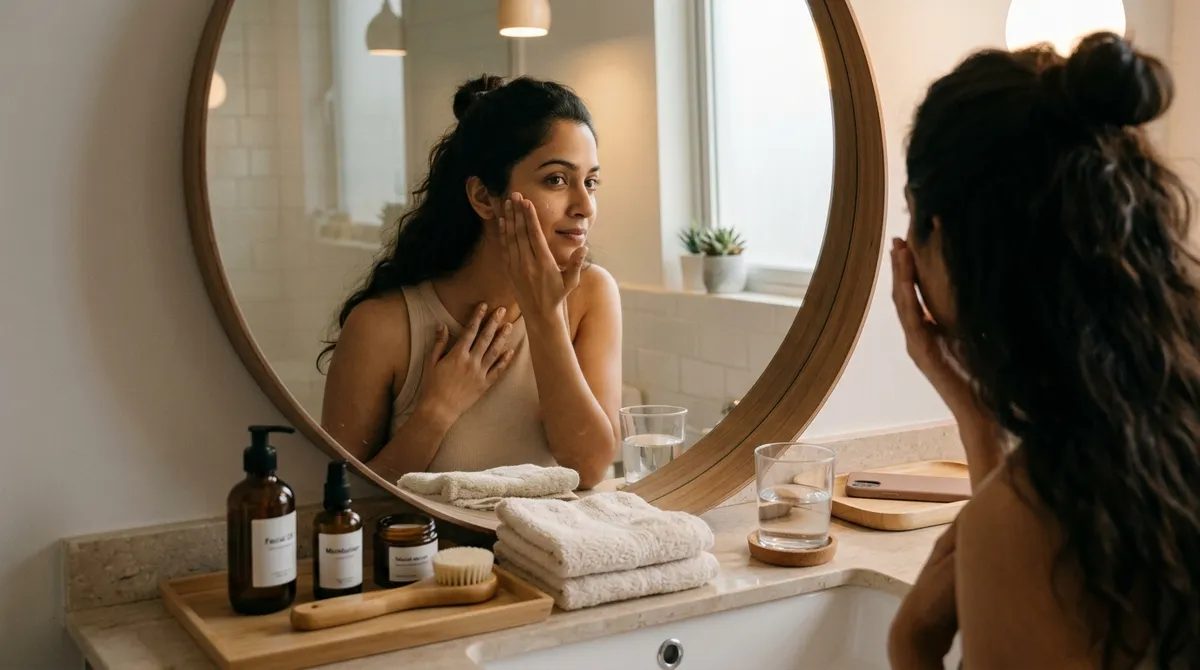
Skin barrier maintenance has emerged as a daily discipline, moving beyond occasional treatments to consistent, informed care. This wellness ritual focuses on protecting and strengthening the skin's natural protective barrier through evidence-based practices.
The approach emphasizes understanding how daily habits, environmental factors, and product choices impact skin health over time, rather than seeking quick fixes or following trending ingredients.
Post-Exercise Hygiene as Fixed Commitment
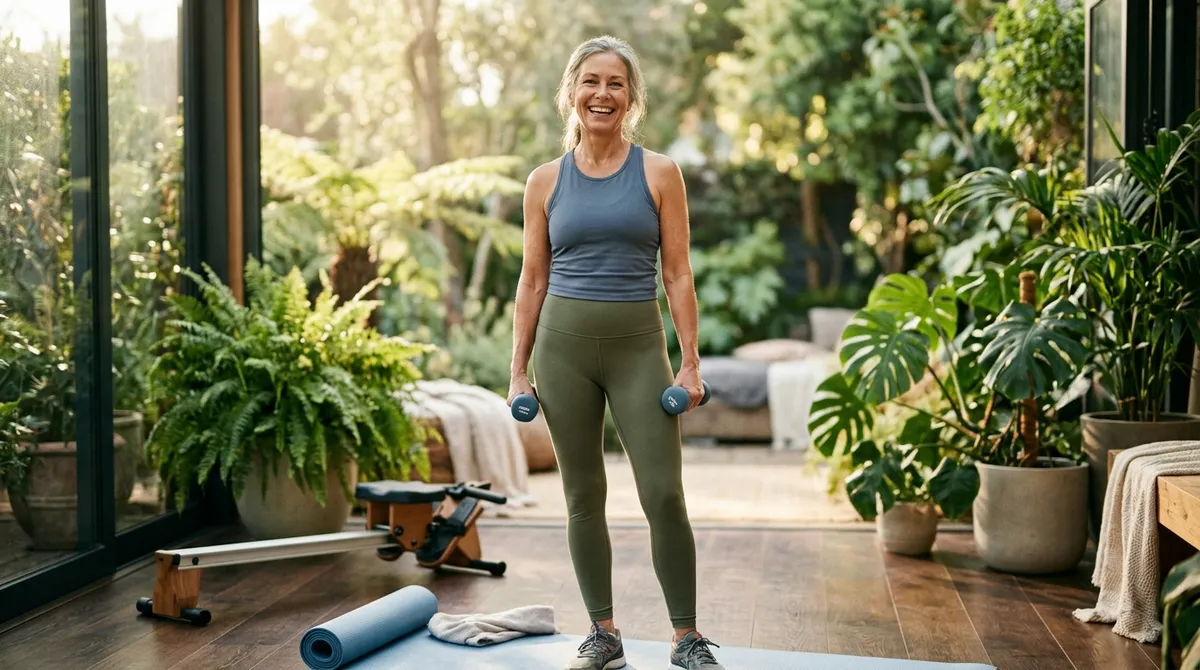
With increasing fitness participation among women, post-exercise hygiene has become a fixed commitment rather than an optional step. This ritual encompasses immediate post-workout practices designed to maintain skin health and prevent issues that can arise from delayed cleansing.
The emphasis is on creating consistent routines that work with women's schedules while maintaining optimal hygiene standards, regardless of workout intensity or location.
Sleep-Time Hygiene as Repair Preparation
Sleep-time hygiene has evolved into a comprehensive preparation ritual for overnight repair and recovery. This practice goes beyond basic cleansing to include specific routines that optimize the body's natural repair processes during sleep.
Women are adopting night-time hygiene habits that support both skin health and sleep quality, recognizing the interconnection between proper preparation and restorative rest.
The Practical Shift in Self-Care
These wellness rituals represent a fundamental shift in how women approach self-care in 2026. The movement emphasizes practical, body-literate practices over trend-following, with consistency and informed choices taking precedence over elaborate routines.
Reports indicate this evolution reflects women's desire for sustainable, evidence-based practices that integrate seamlessly into daily life while delivering measurable benefits to overall health and wellness.
Building Sustainable Wellness Habits
The focus on these five rituals suggests a maturing approach to wellness that prioritizes long-term health outcomes over short-term trends. Women are increasingly seeking product-neutral habits that can be maintained regardless of changing circumstances or marketing influences.
This approach to wellness emphasizes understanding individual needs and building routines that support overall health through consistent, informed practices rather than reactive or trend-driven choices.