The Evolution of Women's Self-Care
Women's wellness conversations are becoming more practical, body-literate, and hygiene-focused as we move through 2026. According to reports, this shift reflects a broader move from trend-led self-care to evidence-informed daily routines, especially as fitness participation, skincare education, and menstrual tracking become mainstream.
The transformation is significant: instead of following fleeting wellness trends, women are embracing informed, consistent habits that prioritize genuine health benefits over aesthetic appeal.
Five Key Wellness Rituals Defining 2026
1. Intimate Hygiene with pH Awareness
The first ritual centers on pH-conscious intimate care. Women are moving beyond generic hygiene products to understand how pH balance affects intimate health. This approach emphasizes using products and practices that maintain the body's natural pH levels rather than disrupting them.
2. Menstrual Cycle Tracking as a Health Tool
Cycle tracking has evolved beyond fertility planning to become a comprehensive health monitoring system. According to reports, women are using menstrual cycle data to understand patterns in energy levels, mood, and overall well-being, making it a cornerstone of personalized health management.
3. Skin Barrier Maintenance as Daily Discipline
Skin barrier protection has become a non-negotiable daily practice. This ritual focuses on maintaining the skin's protective barrier through consistent, gentle care rather than aggressive treatments. The emphasis is on supporting the skin's natural functions rather than overwhelming it with multiple products.
4. Post-Exercise Hygiene as Fixed Commitment
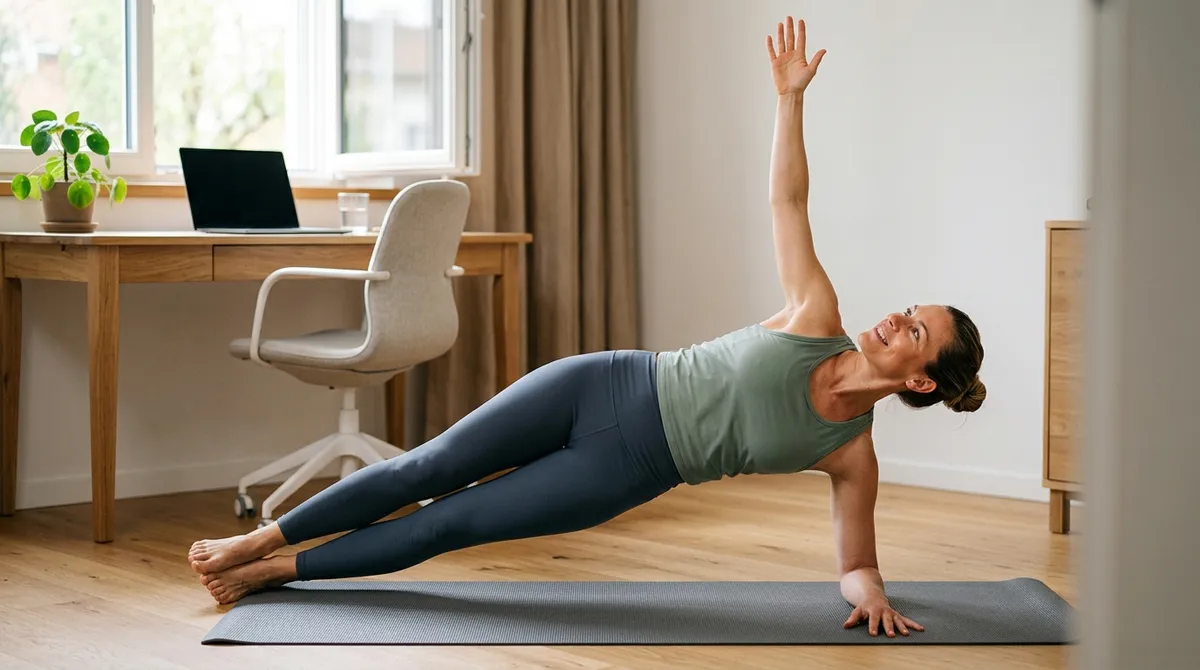
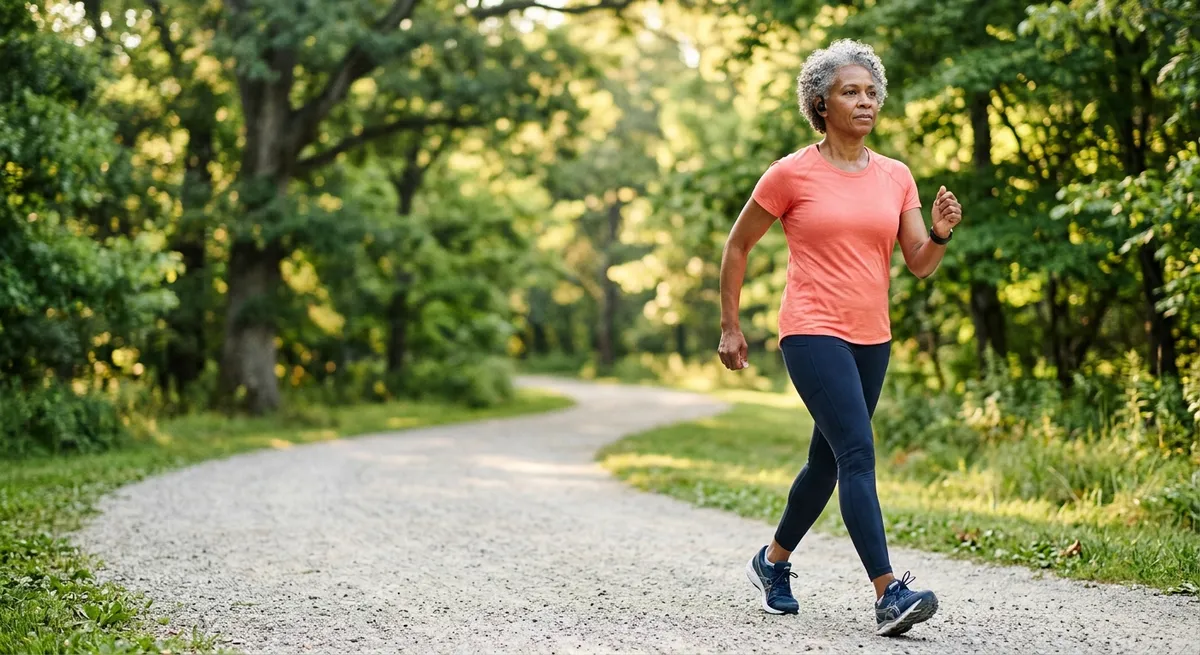
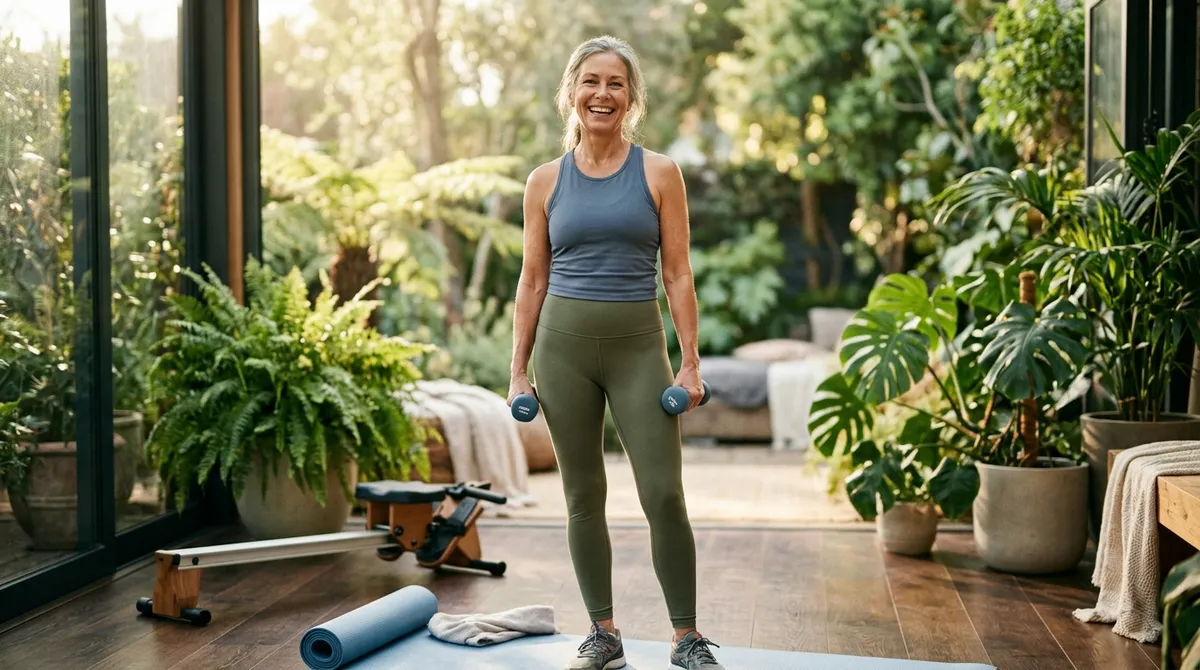
Post-workout hygiene has transformed from an afterthought to a structured routine. Women are establishing specific protocols for cleansing and care immediately after exercise, recognizing that proper post-workout hygiene prevents skin issues and supports overall health.
5. Sleep-Time Hygiene as Repair Preparation
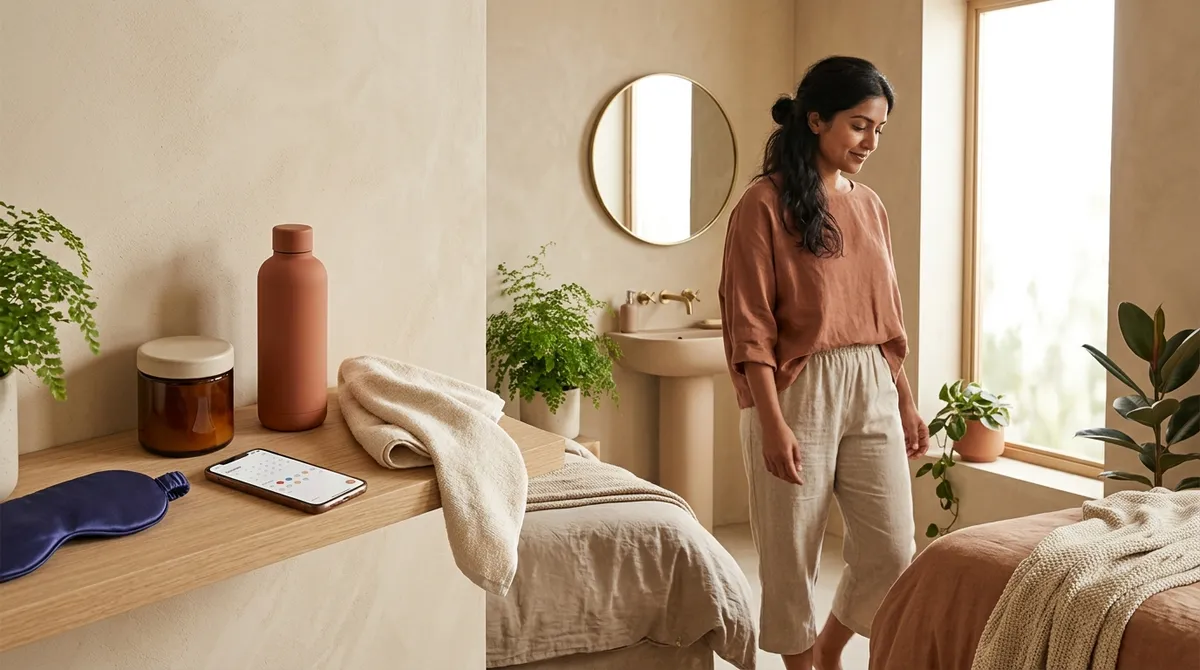
Night-time hygiene routines are being reframed as preparation for the body's repair processes during sleep. This ritual encompasses both physical cleansing and creating optimal conditions for restorative sleep, acknowledging the connection between hygiene practices and sleep quality.
The Shift Toward Evidence-Informed Care
These wellness rituals represent a fundamental change in how women approach self-care. The focus has shifted from following popular trends to understanding what actually supports long-term health and well-being.
According to reports, this evolution emphasizes myth-busting and education, helping women understand what practices to stop doing in the name of hygiene or wellness. The approach prioritizes body literacy – understanding how the body functions and what it needs to maintain optimal health.
Building Sustainable Wellness Habits
The strength of these 2026 wellness rituals lies in their practicality and sustainability. Rather than requiring expensive products or time-intensive routines, they focus on simple, consistent practices that can be maintained long-term.
Each ritual emphasizes product-neutral habits, meaning the focus is on the practice itself rather than specific brands or expensive treatments. This approach makes wellness more accessible and sustainable for women across different economic circumstances.
Looking Forward
As wellness conversations continue to evolve, the emphasis on evidence-informed practices is likely to grow stronger. These five rituals represent a mature approach to self-care that prioritizes health outcomes over aesthetic trends.
The shift toward body literacy and practical wellness represents a positive development in women's health, moving away from marketing-driven trends toward practices grounded in understanding how the body actually functions and what supports its optimal performance.
For women looking to update their self-care routines in 2026, these rituals offer a framework for building habits that truly support long-term health and well-being rather than simply following the latest wellness fad.