Beets have moved from salad-bar staple to heart-health headline for one major reason: they may help support healthier blood pressure. The bright red root vegetable contains natural compounds that influence blood vessel function, circulation, and overall cardiovascular health. While beets are not a replacement for medication or medical care, research suggests they can be a useful part of a blood pressure-friendly eating plan.
Why beets are linked to blood pressure support
The key compound in beets is dietary nitrate. This is not the same as the preservatives often discussed in processed meats. In vegetables, nitrate comes packaged with vitamins, minerals, antioxidants, and fiber.
After you eat beets, bacteria in your mouth help convert nitrate into nitrite. Your body can then turn nitrite into nitric oxide. This molecule plays an important role in relaxing and widening blood vessels.
When blood vessels relax, blood may flow more easily. That can reduce pressure inside the arteries. This process helps explain why beetroot juice and whole beets are studied for blood pressure management.
What research suggests about beetroot juice
Studies on beetroot juice have found modest drops in blood pressure, especially systolic blood pressure. Systolic pressure is the top number in a blood pressure reading. It reflects the force created when the heart pumps blood.
Some research shows effects within a few hours after drinking beetroot juice. Other studies examine daily use over several weeks. Results vary, but the general pattern is promising for many adults.
The size of the benefit depends on several factors. These include nitrate dose, baseline blood pressure, usual diet, age, and overall health. People with higher blood pressure may notice more meaningful changes than those with normal readings.
Still, beets should be viewed as one tool, not a stand-alone treatment. High blood pressure often needs a broader plan. That plan may include medication, exercise, sodium reduction, weight management, and regular monitoring.
Whole beets vs beetroot juice
Both whole beets and beetroot juice can provide dietary nitrate. However, they are not identical from a nutrition standpoint.
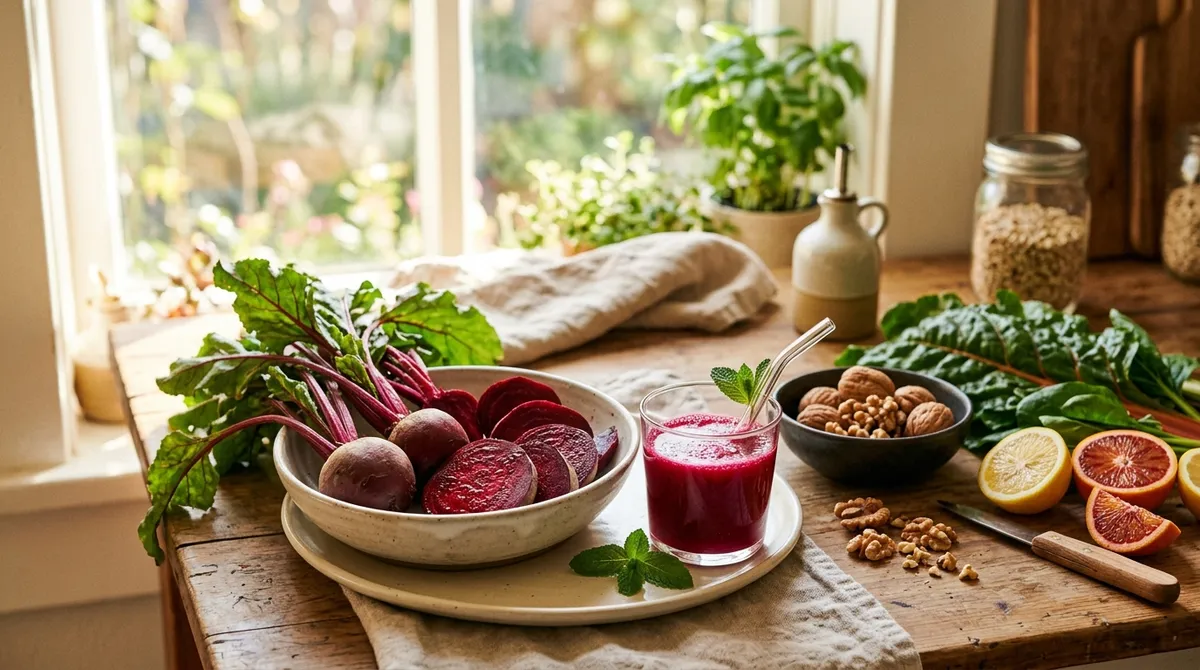
Beetroot juice delivers nitrate in a concentrated form. This may make it easier to reach amounts used in clinical studies. It is also convenient before exercise or as part of a morning routine.
Whole beets offer additional benefits. They contain fiber, which supports digestion, cholesterol management, and blood sugar control. Fiber also helps meals feel more satisfying.
Whole beets also supply folate, potassium, manganese, and plant pigments called betalains. These nutrients support the heart, blood vessels, and cellular health. The deep red color is a sign of those protective compounds.
If your goal is general wellness, eating whole beets is an excellent choice. If your goal is a nitrate-focused approach, beetroot juice may be more practical. Many people use both in rotation.
How much beetroot juice may help
There is no universal dose for everyone. Many studies use about one serving of concentrated beetroot juice daily. Some use smaller or larger amounts depending on the product.
Commercial beet juices can vary widely in nitrate content. Labels may not always list nitrate levels. Concentrated shots usually provide more nitrate than standard bottled juices.
If you are new to beetroot juice, start small. Try a few ounces and see how your body responds. Gradually increase if it agrees with your digestion and health needs.
People taking blood pressure medication should be careful. Combining medication with large amounts of beetroot juice could lower blood pressure too much in some cases. Ask a clinician if you plan to use it daily.
Best ways to eat beets for heart health
Beets are versatile and easy to add to meals. Roasting brings out their natural sweetness. Steaming helps preserve nutrients while keeping the texture tender.
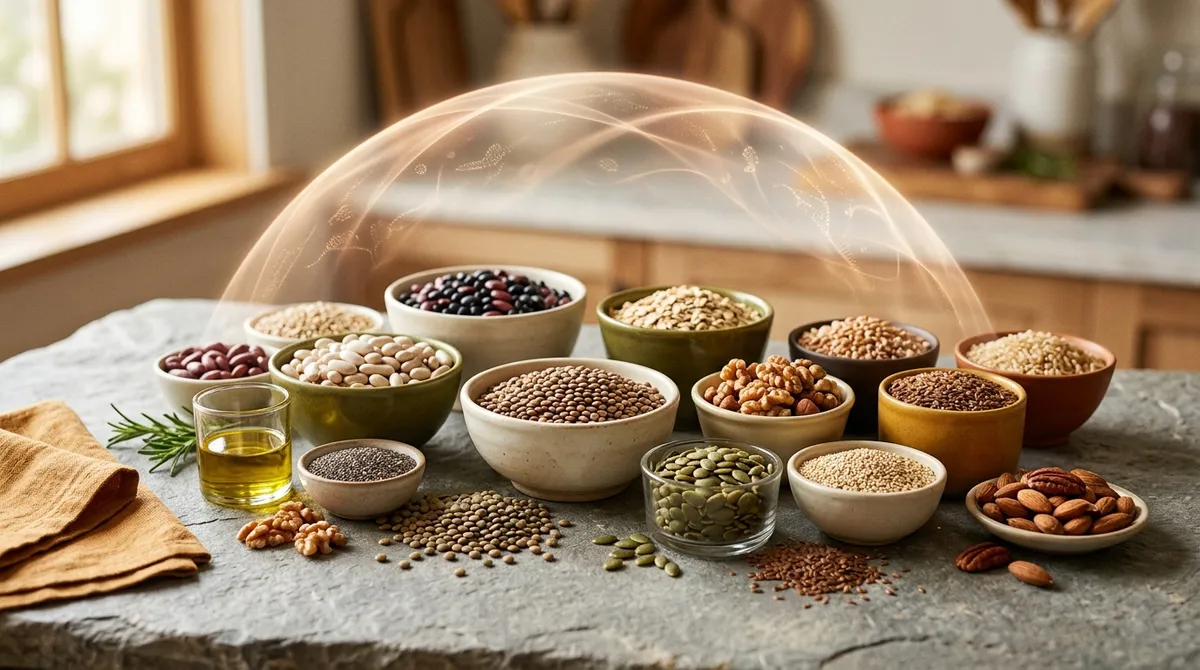
You can slice roasted beets into grain bowls, salads, or wraps. Pair them with lentils, greens, walnuts, citrus, or yogurt-based sauces. These combinations add protein, healthy fats, and additional minerals.
Raw beets can be grated into slaws or blended into smoothies. They pair well with apples, carrots, ginger, lemon, and berries. If the earthy flavor feels strong, add acidic ingredients to balance it.
Pickled beets are another option, but check the sodium content. Some prepared varieties contain a lot of salt. High sodium intake can work against blood pressure goals.
For the greatest heart-health benefit, pair beets with an overall nutrient-rich diet. A Mediterranean or DASH-style pattern is especially helpful. These diets emphasize vegetables, fruits, legumes, nuts, whole grains, fish, and unsaturated fats.
Do cooking methods affect nitrates?
Cooking can change nutrient levels, but beets remain nutritious after preparation. Boiling may cause some water-soluble nutrients to leach into the cooking water. Roasting and steaming may retain more flavor and texture.
If you boil beets, consider using the cooking liquid in soups or sauces. This reduces waste and keeps more nutrients in the meal. Avoid overcooking when possible.
Beet greens are also edible and highly nutritious. They contain potassium, magnesium, vitamin K, and additional nitrates. Sauté them with olive oil and garlic for a quick side dish.
Who should be cautious with beets?
Beets are safe for most people, but there are a few exceptions. They are high in oxalates, natural compounds that can contribute to kidney stones in susceptible people.
If you have a history of calcium oxalate kidney stones, ask your doctor about beet intake. You may need to limit high-oxalate foods or balance them with calcium-rich meals.
Beets can also change the color of urine or stool. A red or pink tint can be surprising, but it is usually harmless after eating beets. If discoloration occurs without beet intake, seek medical advice.
People prone to low blood pressure should also be mindful. Beetroot juice may lower blood pressure further. Symptoms such as dizziness, weakness, or lightheadedness deserve attention.
Anyone using medications for erectile dysfunction, chest pain, or hypertension should discuss nitrate-rich supplements with a clinician. Food-based beets are generally gentler, but concentrated products can be stronger.
Beets work best with other blood pressure habits
No single food can overcome every risk factor. Beets may support healthier numbers, but daily habits matter most. Consistency is the foundation of long-term blood pressure control.
Reducing excess sodium is one of the most effective nutrition steps. Many people get most of their sodium from packaged and restaurant foods. Reading labels can make a real difference.
Potassium-rich foods also support blood pressure balance. Beets contain potassium, but bananas, beans, potatoes, spinach, yogurt, and avocados are also useful sources.
Regular movement strengthens the heart and improves vascular function. Brisk walking, cycling, swimming, and strength training all help. Even short activity breaks can support circulation.
Sleep, stress management, and limited alcohol intake are also important. Blood pressure often rises when sleep is poor or stress stays high. A healthy routine works better than a quick fix.
What to look for when buying beet products
Fresh beets should feel firm and heavy for their size. Smaller beets are often sweeter and more tender. If greens are attached, look for vibrant leaves without heavy wilting.
Pre-cooked beets can save time. Choose plain versions without added salt or sugary sauces. They work well in salads, bowls, and quick side dishes.
For beetroot juice, compare ingredient lists. The best options are simple and low in added sugar. Some blends include apple or other fruit juices, which can increase calories.
Beet powders are popular, but quality varies. They may be convenient, yet they are not always equivalent to tested beetroot juice. Look for reputable brands with transparent labeling.
The bottom line
Beets deserve their reputation as a heart-smart food. Their natural nitrates can help the body produce nitric oxide, which supports relaxed blood vessels and healthy circulation. Research suggests beetroot juice may modestly lower blood pressure, especially when used consistently.
For the best results, treat beets as part of a bigger strategy. Eat more vegetables, reduce sodium, stay active, and follow medical guidance. Whether roasted, blended, juiced, or added to salads, beets can bring color, flavor, and cardiovascular benefits to your plate.