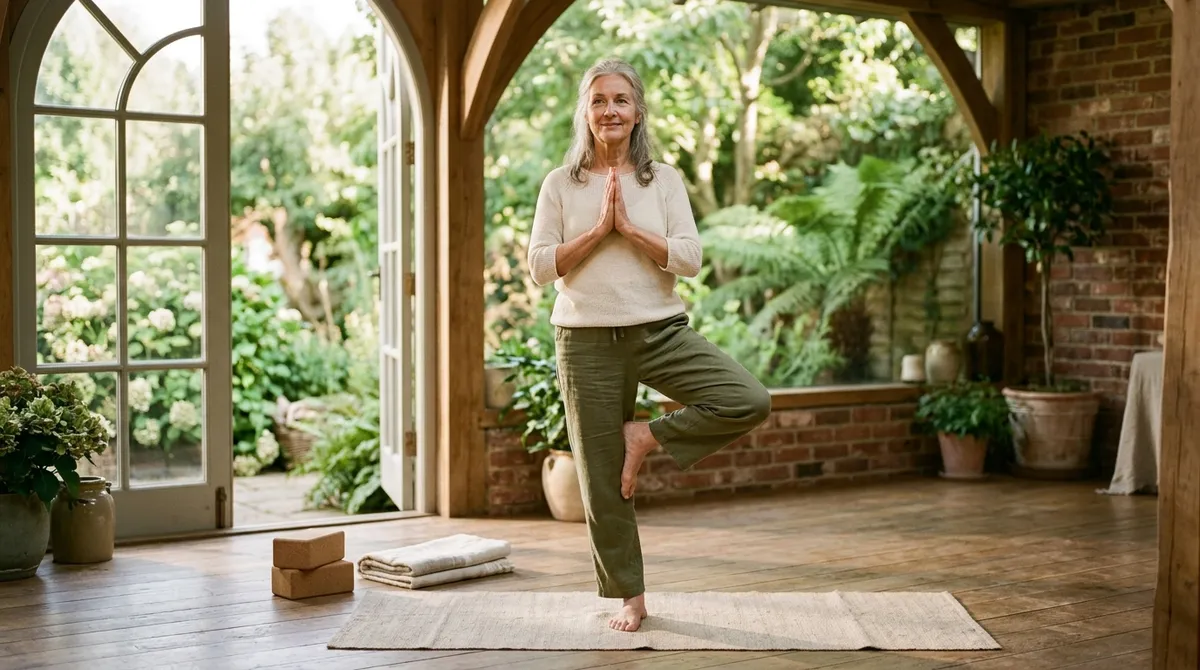
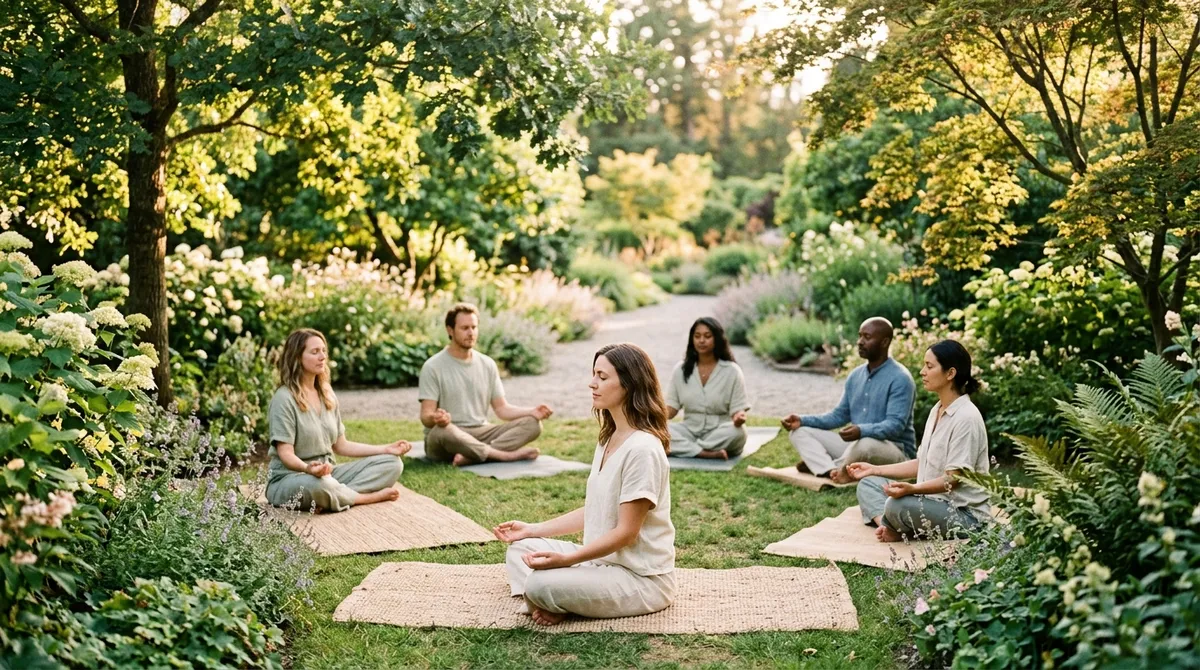
A mindfulness retreat led by wellbeing practitioner Julie Perrigo is bringing a calm, nature-focused experience to Ness Gardens, offering people on Wirral a chance to pause, reset, and reconnect with themselves in one of the region's most peaceful outdoor settings.
A mindful escape in the heart of Ness Gardens
Ness Gardens has long been known as a place where visitors can step away from daily pressure. Its landscaped grounds, mature planting, and quiet corners make it well suited to reflective experiences. For those seeking a gentle break from stress, a mindfulness retreat in this setting offers more than a simple day out.
Julie Perrigo's retreat is designed around the idea of slowing down. Instead of rushing through tasks, notifications, and responsibilities, participants are encouraged to become aware of the present moment. The natural surroundings help support that process. Birds, trees, changing light, and open space can all become part of a mindful practice.
Mindfulness has become increasingly popular across Merseyside and Cheshire. Many people now use meditation, breathing techniques, and reflective exercises to manage stress, improve focus, and support emotional wellbeing. A retreat allows those ideas to be explored in a structured but accessible way.
Who is Julie Perrigo?
Julie Perrigo is associated with mindfulness and wellbeing work, and her approach focuses on helping people create space in busy lives. Rather than presenting mindfulness as something complicated, retreats like this often make the practice feel practical and grounded.
For many newcomers, meditation can seem intimidating. Some worry they must clear their mind completely or sit still for long periods. A good mindfulness session helps remove those misconceptions. The aim is not perfection. It is awareness, kindness, and a willingness to notice thoughts and feelings without becoming overwhelmed by them.
Julie's retreat at Ness Gardens offers an opportunity for people to experience mindfulness in a supportive environment. It can benefit those who are completely new to meditation, as well as people who already have a regular practice and want a dedicated day of reflection.
Why nature supports mindfulness
Nature and mindfulness work well together. A garden setting naturally draws attention to the senses. Visitors may notice the texture of leaves, the scent of plants, the sound of footsteps, or the feel of fresh air. These simple details help bring the mind back to the present.
Modern life often pulls attention in many directions. Phones, work demands, family commitments, and constant information can leave people mentally tired. Spending time outdoors can reduce that overload. When mindfulness is added, the experience becomes even more intentional.
Ness Gardens provides a unique backdrop for this kind of retreat. Its paths, open areas, and seasonal planting create an environment where people can walk slowly, breathe deeply, and observe without pressure. The garden setting also makes mindfulness feel less formal than a traditional indoor class.
What participants can expect from a mindfulness retreat
While each retreat may vary, a mindfulness day usually includes guided meditation, breathing practices, quiet reflection, and gentle awareness exercises. In a garden setting, mindful walking may also form part of the experience. This means moving slowly and paying attention to each step, each sound, and each sensation.
Participants may be invited to reflect on patterns of thought, habits of stress, or ways they respond to difficult emotions. These practices are not about forcing change. They are about noticing what is already happening with greater clarity.
A retreat can also include periods of stillness. For some, that is the most powerful part of the day. Silence can feel unusual at first, especially for people used to constant activity. Yet it often creates space for rest, insight, and emotional release.
The atmosphere is usually calm and welcoming. People do not need specialist knowledge or equipment. Comfortable clothing, an open mind, and a willingness to take part are often enough.
The growing need for wellbeing spaces on Wirral
Across Wirral, more people are looking for ways to support their mental and emotional health. Work pressures, caring responsibilities, financial concerns, and social change can all affect wellbeing. Community-based wellness events offer a valuable response.
A mindfulness retreat at Ness Gardens gives local residents a chance to access wellbeing support without travelling far. It also highlights the importance of public and community spaces in promoting health. Gardens, parks, and cultural venues can do more than provide leisure. They can help people feel restored and connected.
Events like this also encourage a slower form of tourism. Instead of visiting a place only to take photos or rush between attractions, participants are invited to engage deeply with their surroundings. This approach aligns well with growing interest in sustainable, meaningful local experiences.
Mindfulness for beginners
Anyone considering a mindfulness retreat for the first time may wonder whether it is suitable for them. The simple answer is yes. Mindfulness is not limited to people who already meditate. It is a skill that can be learned gradually.
Beginners often start with the breath. By noticing inhaling and exhaling, the mind has something steady to return to. Thoughts will still appear. That is normal. The practice is in noticing distraction and gently returning attention.
In nature, this process can feel easier. Instead of focusing only on the breath, participants might notice the sounds around them or the feeling of the ground beneath their feet. These anchors provide simple ways to settle the mind.
A retreat also allows beginners to ask questions and learn in a guided setting. This can be more helpful than trying to begin alone with an app or book. Being with others can also reduce self-consciousness, as everyone is there for similar reasons.
Benefits of taking time to pause
Mindfulness is often linked with reduced stress, better concentration, and improved emotional balance. While one retreat is not a cure-all, it can be a meaningful starting point. A single day of focused calm can remind people how much they need rest.
Participants may leave with practical tools they can use at home. These might include short breathing exercises, mindful walking, or simple pauses during the day. Even a few minutes of regular practice can make a difference over time.
There is also value in stepping away from routine. Many people only realise how tense or distracted they have become when they stop. A retreat creates permission to pause without guilt. That permission can be deeply restorative.
Making the most of the experience
Those attending a retreat at Ness Gardens can prepare by approaching the day with realistic expectations. Mindfulness is not about achieving a dramatic breakthrough. It is about being present with whatever arises.
It may help to arrive early, wear comfortable layers, and avoid overloading the day with plans immediately afterwards. Giving the mind time to settle before and after the retreat can deepen the experience.
Participants may also want to bring a notebook for reflections. Writing down thoughts after a mindfulness session can help capture insights before returning to normal routines. However, the most important thing is to remain open and curious.
A peaceful opportunity for local wellbeing
Julie Perrigo's mindfulness retreat at Ness Gardens brings together two powerful elements: skilled wellbeing guidance and a tranquil natural setting. For people on Wirral and nearby areas, it offers a timely chance to step back from everyday demands and focus on inner calm.
As interest in mental health, self-care, and nature-based wellbeing continues to grow, retreats like this play an important role. They remind us that rest is not a luxury. It is part of staying well, grounded, and connected to life.
Whether someone is new to mindfulness or returning to an established practice, a retreat in the gardens can provide space to breathe, reflect, and begin again with greater awareness.