
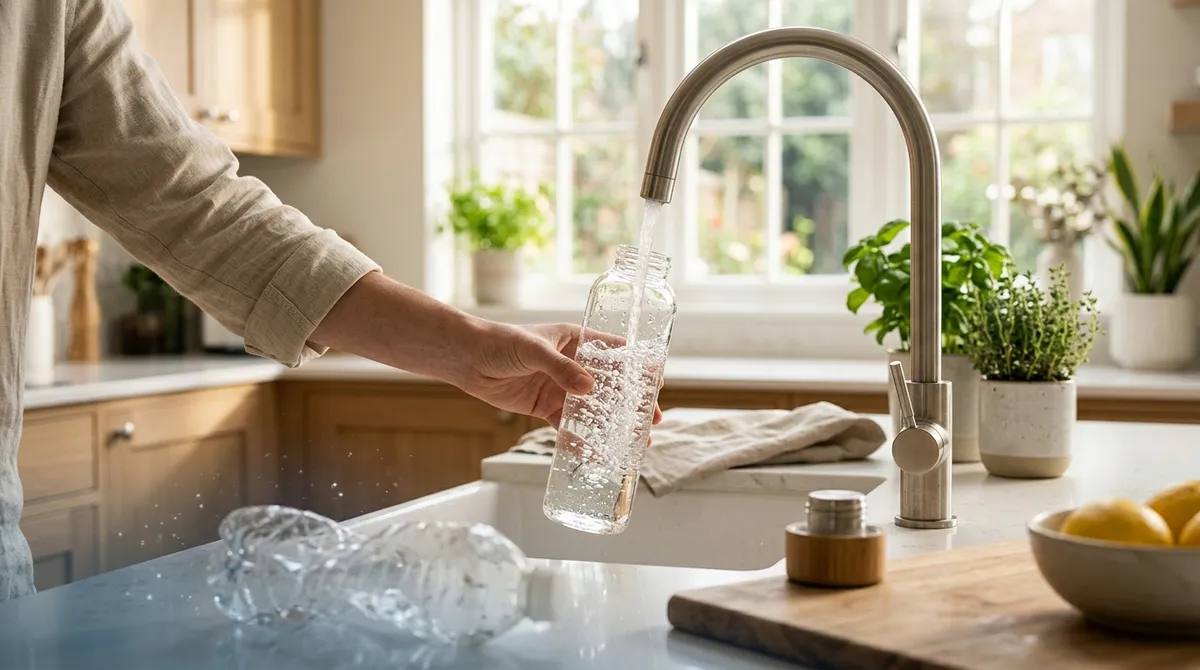
Plastic water bottles have become a staple in modern life, offering convenience and portability for our hydration needs. However, recent studies have raised concerns about the presence of microplastics in these bottles and their potential impact on human health. As the world becomes more aware of environmental issues, it's important to understand the implications of our reliance on plastic water bottles and explore sustainable alternatives.
Understanding Microplastics
Microplastics are tiny particles of plastic that measure less than five millimeters in diameter. They originate from a variety of sources, including the breakdown of larger plastic waste, industrial processes, and even synthetic fibers from clothing. These microscopic particles have permeated our ecosystems, making their way into oceans, rivers, and even the air we breathe.
The Presence of Microplastics in Bottled Water
Recent research has highlighted the alarming presence of microplastics in bottled water. Studies have found that nearly all plastic water bottles tested contained varying levels of microplastic particles. These particles are believed to enter the water during the bottling process, either from the bottles themselves or from the caps.
The health impact of ingesting microplastics is still a developing area of study. However, scientists are concerned about the potential risks, including the possibility of toxic chemicals leaching from the plastics into our bodies. While definitive conclusions are yet to be drawn, the presence of microplastics in bottled water is a cause for concern.
Environmental Impact of Plastic Bottles
The environmental impact of plastic water bottles extends beyond the issue of microplastics. The production and disposal of these bottles contribute significantly to pollution and resource depletion. Plastic bottles are made from petroleum, a non-renewable resource, and their production releases greenhouse gases into the atmosphere.
Once discarded, plastic bottles can take hundreds of years to decompose, during which they can contribute to land and ocean pollution. The pervasive nature of plastic pollution poses a threat to wildlife, which can ingest or become entangled in plastic waste.
Exploring Sustainable Alternatives
To mitigate the impact of plastic water bottles, individuals and communities are exploring sustainable alternatives. Reusable water bottles made from stainless steel, glass, or BPA-free plastics offer a practical solution. These bottles reduce the demand for single-use plastics and help minimize environmental harm.
Additionally, investing in water filtration systems can provide access to clean and safe drinking water at home, reducing the need for bottled water. Public initiatives to improve access to tap water and promote the use of refillable bottles are also gaining traction.
Conclusion
As awareness of the issues surrounding plastic water bottles grows, it is crucial to consider both the environmental and health implications of our choices. While further research is needed to fully understand the impact of microplastics, taking proactive steps to reduce our reliance on single-use plastic bottles can significantly benefit both our health and the planet. By embracing sustainable practices and supporting initiatives that promote environmental responsibility, we can contribute to a healthier and more sustainable future.